Have you ever wondered about the Raqia Meaning in Hebrew when reading the creation story in Genesis? Many people see the words “firmament” or “expanse” in different Bible translations and ask what they really mean. Understanding this original Hebrew word helps make the creation narrative clearer and more meaningful.
In this guide, you will discover the origin of Raqia, its biblical context, and why Bible translations use different words for the same Hebrew term. Whether you are new to Bible study or exploring biblical language more deeply, this article will help you understand Scripture with greater confidence and appreciate God’s design in creation.
What Does “Raqia” Mean in Hebrew?
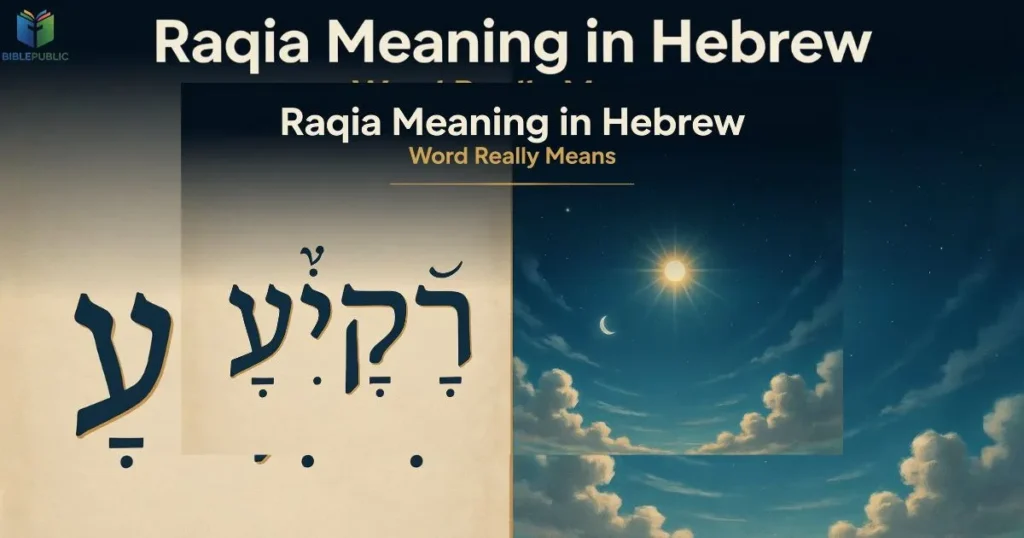
Raqia (רָקִיעַ) is a Hebrew word that means an expanse, extended space, or something stretched out. In Genesis 1:6–8, God creates the Raqia to separate the waters above from the waters below as part of His creation order. Many English Bible translations use the words “firmament” or “expanse” to represent this Hebrew term.
The Raqia Meaning in Hebrew is connected with the idea of something being spread out or extended. As the Hebrew word for firmament in Genesis, Raqia comes from the root raqa (רָקַע), a Hebrew verb root meaning to spread, stretch, or beat out. Studying this biblical Hebrew term helps readers explore the Genesis creation account and understand the meaning behind the original language of Scripture.
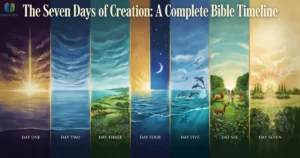
The word Raqia appears mainly in the Old Testament and is connected with the heavens, creation, and God’s authority over the created world. As part of the seven days of creation timeline, Raqia highlights God’s intentional order and design throughout the creation account.
The Etymology and Root of Raqia
The Hebrew word Raqia (רָקִיעַ) comes from the Hebrew verb root raqa (רָקַע), which carries the idea of spreading out, stretching, extending, or flattening something. In ancient Hebrew usage, this root could describe the process of spreading metal into a thin sheet, such as gold being hammered and extended.
Hebrew lexicons such as Brown-Driver-Briggs (BDB) and HALOT (Hebrew and Aramaic Lexicon of the Old Testament) connect this root with the concept of something being expanded or spread outward. This background helps explain why Raqia can refer to an extended space or established area in the biblical creation narrative.
The meaning of any Hebrew word depends on its context, grammar, and usage. In Genesis 1, Raqia is understood through the surrounding passage, where God separates, organizes, and prepares creation according to His wisdom and purpose.
Raqia vs Firmament: Why Bible Translations Differ

The difference between Raqia and firmament comes mainly from translation history. The Hebrew word Raqia (רָקִיעַ) was translated into Greek as stereōma in the Septuagint (LXX) and later into Latin as firmamentum in the Vulgate. These translations influenced how the word appeared in older English Bible versions.
Biblical scholars study Hebrew manuscripts, ancient translations, grammar, and historical context when examining words like Raqia. The English term “firmament” became common through earlier translation traditions, while modern translations often use “expanse” to communicate the original Hebrew meaning more clearly.
Other Biblical Occurrences of Raqia
The word Raqia appears in several Old Testament passages beyond Genesis. These references show that the term can describe the heavens, the visible expanse above the earth, or imagery connected with God’s glory and majesty.
In Psalm 19:1, the heavens are described as declaring the glory of God, showing that creation points people toward the Creator. In Ezekiel 1:22–26, Raqia appears in a prophetic vision describing the area above the living creatures. Daniel 12:3 also uses heavenly imagery when describing the brightness associated with the righteous.
These passages show that biblical writers used Raqia in different contexts, including creation, poetry, and prophecy. Understanding each passage according to its literary setting and historical background helps readers interpret the Hebrew term accurately.
How Ancient Hebrews Understood Raqia (and the “Firmament” Concept)
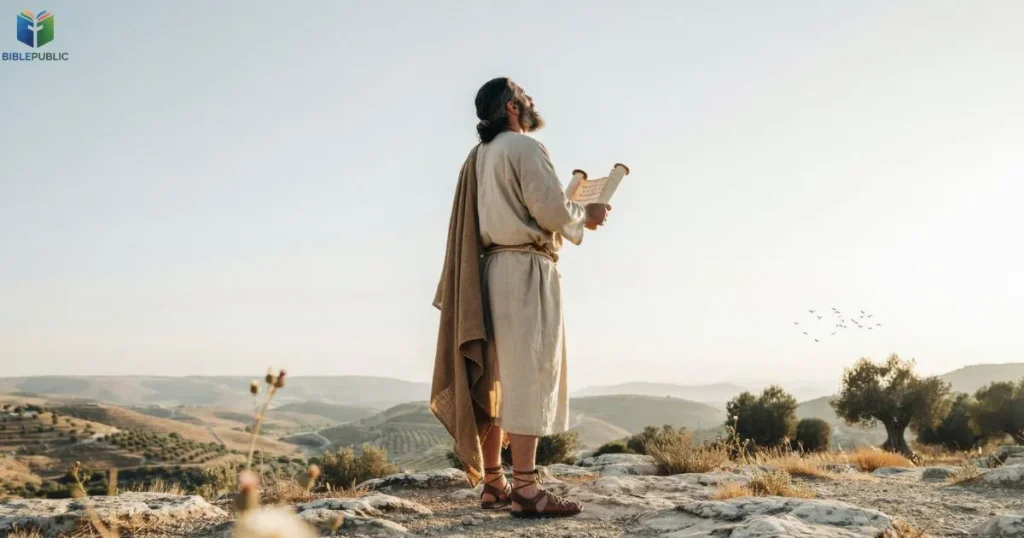
Ancient Hebrews understood creation through the language, culture, and worldview of their time. Biblical writers used familiar descriptions of the natural world while emphasizing that God alone is the Creator and ruler over everything.
The concept of Raqia appears within the broader themes of biblical cosmology, creation theology, and the Ancient Near Eastern worldview. Studying the ancient Israelite worldview alongside Scripture helps readers recognize the historical background while keeping the central message of Genesis clear: God brings order, purpose, and meaning to creation.
Raqia in Modern Bible Translations
Modern Bible translations handle Raqia differently because translators consider the original Hebrew text, historical background, language development, and reader understanding. Some translations use “firmament,” while others prefer “expanse” or similar terms.
Comparing Bible versions helps readers understand how translators approach Hebrew words and communicate their meanings in modern languages. Looking at different translations alongside the original Hebrew provides deeper insight into terms such as firmament meaning in Genesis, Hebrew Bible terminology, and the biblical concept of Raqia.
Studying Hebrew words like Raqia can strengthen Bible study by revealing details that may not always appear clearly in translation. When combined with careful Scripture reading and proper context, Hebrew word studies help believers appreciate the depth and richness of God’s Word.
Conclusion
Understanding the Raqia Meaning in Hebrew gives a richer view of the Genesis creation account and the Bible’s original language. Rather than relying on a single English translation, studying the Hebrew text, the meaning of firmament, and the broader biblical context helps readers appreciate God’s wisdom, order, and purpose throughout Scripture.
As you continue your Bible study, compare different Bible translations and read key passages in their full context. Exploring Hebrew word study, biblical interpretation, and trusted Bible resources will deepen your understanding of Scripture, strengthen your faith, and help you read God’s Word with greater confidence and clarity.
Frequently Asked Questions
What does Raqia Meaning in Hebrew tell us about Genesis?
Raqia Meaning in Hebrew refers to an expanse or stretched out space in the Genesis creation account. It helps readers understand how the original Hebrew language describes God’s ordered work during creation.
Why do some Bible translations use the word firmament?
Older Bible translations follow the Latin word firmamentum, while many modern versions use expanse. Both translations seek to communicate the meaning of the original Hebrew text as accurately as possible.
Where is Raqia mentioned in the Bible besides Genesis?
Raqia also appears in passages such as Psalm 19:1 and Ezekiel 1:22–26. Each passage uses the term within its own literary setting while pointing to God’s glory, power, and creative authority.
Do most biblical scholars agree on the meaning of Raqia?
Yes. Most Hebrew scholars agree that Raqia describes something spread out or extended. They base this understanding on the original Hebrew, trusted Hebrew lexicons, grammar, and the word’s usage throughout Scripture.
Does Raqia describe a solid dome over the earth?
Not necessarily. Some scholars connect it with ancient Near Eastern imagery, while others emphasize its literary and theological purpose. Genesis primarily highlights God’s creative order rather than explaining the physical structure of the heavens.
How can studying Raqia Meaning in Hebrew strengthen Bible study?
Studying Raqia Meaning in Hebrew helps readers understand the original language behind Scripture. It also provides deeper insight into biblical context, creation theology, and the message of Genesis without changing God’s truth.
Should Christians study Hebrew words when reading the Bible?
Yes. Studying Hebrew words can enrich Bible study when combined with Scripture and trusted Bible study resources. It provides valuable context while keeping God’s Word and its central message as the foundation for biblical interpretation.

Chris Saadil is the founder of BiblePublic.com, where he shares biblical insights to help readers understand God’s Word and grow in faith. His mission is to make Scripture clear, practical, and encouraging through Bible verses, biblical teachings, prayer, and Christian living, helping believers build a deeper relationship with God every day.