
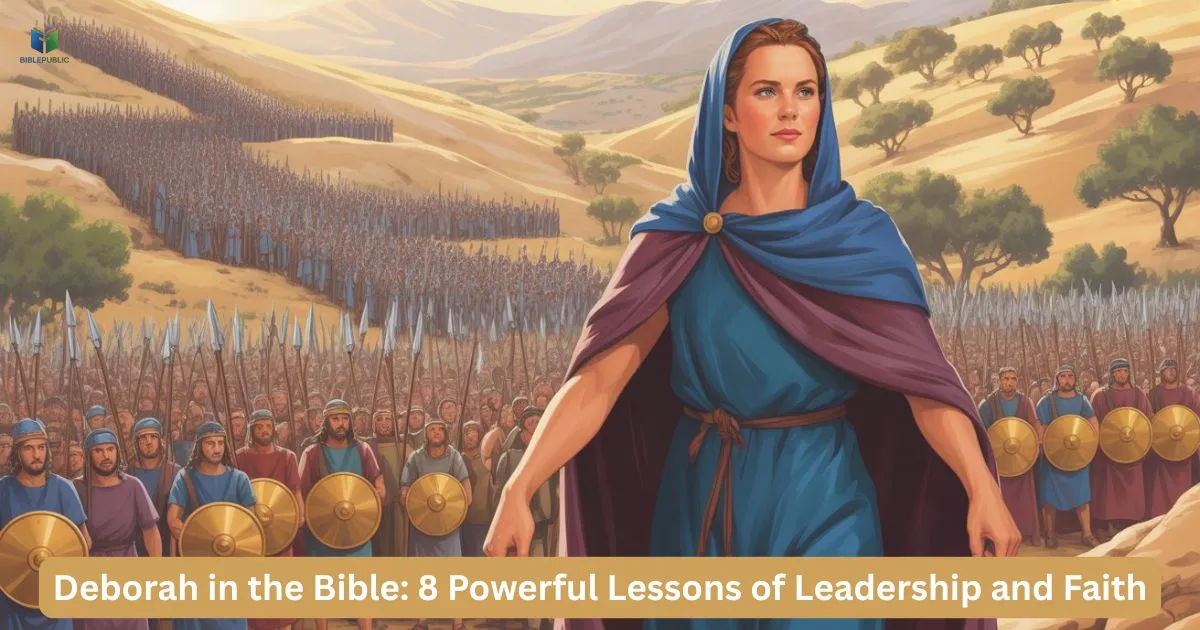
Have you ever wondered how true leadership looks through God’s eyes? Deborah in the Bible offers a powerful answer for believers seeking faith-driven guidance. Her story speaks to anyone facing uncertainty, leadership pressure, or spiritual doubt, showing how courage, wisdom, and obedience can shape destiny.
In this article, you’ll discover practical leadership lessons, spiritual insights, and timeless principles drawn from Deborah’s life as a judge and prophetess. Whether you’re new to biblical studies or seeking deeper growth, these faith-based lessons will help you lead with confidence, purpose, and trust in God’s plan.
Who Was Deborah in the Bible? Her Role and Calling

Deborah in the Bible was a prophetess and judge of Israel during a critical time of oppression. Her life places her among the most inspiring Women in the Bible: Faith, Courage, and Life Lessons, as she was chosen by God to guide His people with wisdom, courage, and unwavering faith.
Unlike many leaders of her time, Deborah led with clarity and faith. People came to her for judgment because they trusted her God-given insight. Her role highlights how God’s calling outweighs social norms and human expectations.
Key Leadership Principles We Learn from Deborah’s Life in Scripture
Deborah in the Bible stands as one of the most respected leaders in Scripture, serving faithfully alongside others in ministry. Her leadership reflects the same spirit of partnership and shared calling seen in Priscilla in the Bible – 7 Powerful Lessons of Partnership in Ministry, showing how God uses collaboration to strengthen His work.
1 – Leadership Rooted in Faith, Not Position

Deborah’s leadership did not depend on status, title, or authority granted by people. She led because she trusted God and acted on His guidance.
Her example shows that faith-driven leadership creates lasting influence far beyond formal positions.
2 – Courage to Act When Others Hesitate
When Israel faced oppression, fear silenced many. Deborah stepped forward with courage, delivering God’s message without delay.
Her story reminds believers that obedience often requires bold action, even when the outcome feels uncertain.
3 – Deborah’s Wisdom in Guiding Barak
Deborah guided Barak with wisdom, encouragement, and confidence in God’s promise. She reminded him of his calling rather than replacing him.
This reveals how wise leadership empowers others instead of controlling them.
4 – Listening to God Before Making Decisions
Deborah supported Barak without overshadowing his role. She balanced guidance with trust, allowing others to grow into their God-given purpose.
True leadership strengthens people rather than diminishing their responsibility.
5 – Deborah’s Confidence Without Pride
Every major decision Deborah made was shaped by listening to God’s direction. She did not rely on impulse or pressure.
This lesson highlights the importance of prayerful discernment in leadership and daily life.
6 – Encouraging Others to Step Into Their Calling
Deborah led with confidence while remaining humble. She never claimed success for herself, directing honor toward God alone.
Her life teaches that spiritual authority is strongest when rooted in humility.
7 – Deborah’s Song as a Model of Gratitude and Praise

After victory, Deborah praised God through a song recorded in Judges 5. She focused on God’s faithfulness rather than personal achievement. Gratitude after success reflects spiritual maturity and deep trust in God.
8 – What Deborah in the Bible Teaches Modern Leaders Today
Deborah in the Bible offers timeless leadership wisdom for modern believers. Her life shows that faith, courage, humility, and obedience lead to meaningful impact. Whether leading at home, work, or ministry, her example encourages leaders to trust God fully and lead with integrity.
Why Deborah’s Story Still Matters for Faith and Leadership
Deborah’s story remains relevant because it reflects God’s heart for leadership and obedience. Her calling as a judge and prophetess is clearly affirmed in Judges 4:4–5, where Scripture shows God appointing her to lead Israel during a time of crisis.
Conclusion
Deborah in the Bible shows that true leadership flows from faith, wisdom, and obedience to God. Her life proves that courage and humility can coexist, even in challenging times. These lessons remind us that God equips ordinary people with extraordinary purpose when they listen, trust, and lead with integrity.
Take a moment to reflect on where you can apply Deborah’s leadership today—whether in family, work, or faith. Start by trusting God’s guidance, encouraging others, and acting with courage. When leadership is rooted in faith and service, its impact extends far beyond personal success and leaves a lasting legacy.
Frequently Asked Questions
Who was Deborah in the Bible and why is she significant?
Deborah in the Bible was a prophetess and judge of Israel, known for her courageous leadership. She guided her people with wisdom, faith, and decisive action during a challenging period in Israel’s history.
What lessons about leadership can we learn from Deborah’s life?
Deborah’s life teaches faith-driven leadership, courage in uncertainty, mentoring others, and using God’s guidance in decisions. These lessons remain relevant for modern leaders seeking integrity and purpose.
How did Deborah demonstrate courage during the battle against Sisera?
She encouraged Barak to lead the army, trusting God’s plan, showing that true courage often involves guiding others and taking bold steps despite fear. (Judges 4:6–10)
Can women today apply Deborah’s leadership principles effectively?
Yes. Experts in biblical leadership agree that her model of servant leadership, confidence without pride, and mentoring others provides timeless guidance for women in ministry, business, or community roles.
Was Deborah’s authority ever questioned in her time?
Some may wonder if a woman leading a nation could succeed. Deborah overcame societal norms with wisdom and faith, proving God’s calling transcends gender and cultural expectations.
What role did faith play in Deborah’s decision-making?
Faith guided every major decision, from military strategy to counseling leaders. Her example shows how spiritual discernment enhances leadership clarity and inspires trust among followers.
How can modern believers practice Deborah’s lessons in daily life?
By trusting God’s calling, mentoring others, acting courageously, and expressing gratitude for victories. Applying these principles strengthens personal growth, leadership, and community impact.

Mark, founder of BiblePublic.com, shares inspiring insights on the Bible, blessings, and prayer. His mission is to encourage faith, deepen understanding, and help others walk closely with God daily.