
Dreams about dead people often leave a deep emotional impact, making us question their spiritual meaning and purpose. Many believers wonder if these dreams carry divine messages, personal reflection, or symbolic guidance. Understanding the biblical symbolism, emotional lessons, and spiritual insights behind these experiences can help bring clarity, comfort, and peace.
In this guide, you will discover six powerful biblical meanings behind these dreams. You will gain practical tips for reflection, ways to process grief, and strategies to discern spiritual messages wisely. By reading on, you can better interpret your dreams, find emotional healing, and strengthen your connection to God’s guidance in daily life.
What Do Dreams About Dead People Mean?

Dreams about dead people often feel vivid and emotional. Many believers wonder what spiritual meaning these dreams carry. Some also compare these experiences to dreams about killing someone, as both can reflect strong emotions, conscience, or spiritual messages. In Christian understanding, death imagery often symbolizes change, transition, or spiritual growth rather than literal contact with the deceased.
Seeing a deceased loved one in a dream may reflect grief, memory, or unresolved emotions. Scripture emphasizes careful discernment, prayer, and reflection. Dreams about dead people can offer insight, emotional healing, or even a reminder of God’s hope and comfort.
Are Dreams About Dead People Truly From God?
Some Christians wonder if these dreams are divine messages. The Bible shows that God sometimes communicates through dreams, like He did with Joseph and in Job (Job 33:14‑15).
However, Scripture teaches believers to test every spiritual experience (1 John). Not all dreams about dead people are messages from God. Many are symbolic, reflecting emotions, life transitions, or subconscious processing, while occasionally offering spiritual warnings.
6 Biblical Meanings Behind Dreams of Dead People
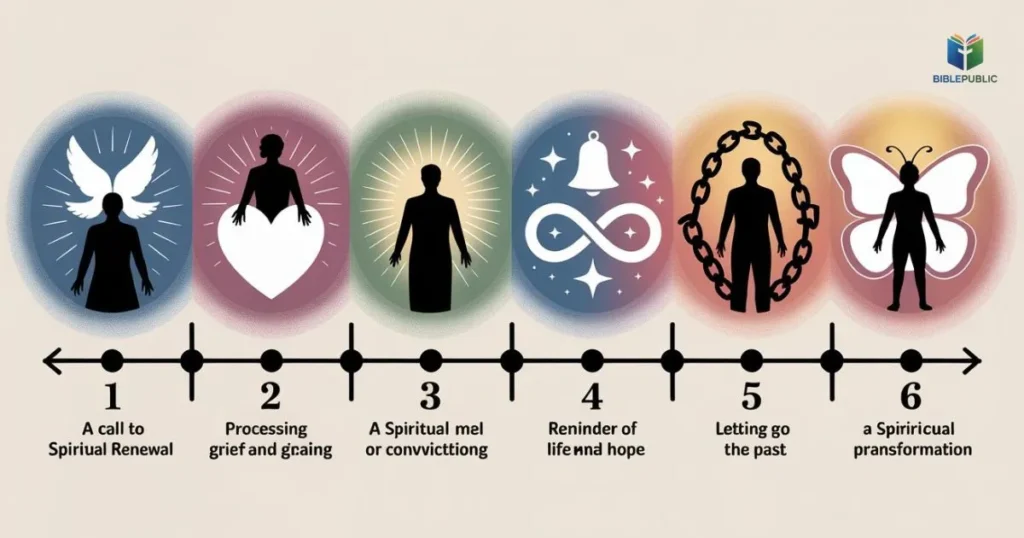
The Bible gives principles rather than fixed rules for interpreting dreams of dead people. For deeper insights, you can also explore Biblical Meanings of Dreams: God’s True Messages, which explains how God communicates through dreams. Scripture shows that such dreams can teach, warn, comfort, or reveal personal growth. Understanding them requires prayer, discernment, and reflection on God’s Word.
In the book of Daniel, God used dreams and visions to give guidance and insight (Daniel 2). Similarly, other passages highlight spiritual lessons and personal transformation. These six biblical meanings help believers apply wisdom and faith in interpreting such dreams.
1: A Call to Spiritual Renewal
Death imagery can symbolize dying to old habits or sin. Scripture emphasizes renewal of the mind (Romans 12:2) and spiritual awakening.
Biblical Example: Zacchaeus repented and transformed his life after meeting Jesus (Luke 19:1‑10), showing renewal in action.
Practical Reflection:
- Reflect on habits or attitudes that may need change
- Pray for God’s guidance in spiritual growth
- Journal insights for personal accountability
2: Processing Grief and Emotional Healing
Dreams of deceased loved ones often help process grief, memory, and emotional pain. Scripture encourages believers to seek comfort in God (Psalms 34:18).
Biblical Example: David frequently expressed grief and hope in the Psalms, processing loss through prayer and praise.
Practical Reflection:
- Identify unresolved emotions related to loss
- Pray or speak with a trusted mentor or counselor
- Use journaling to gain clarity and closure
3: A Spiritual Warning or Conviction
Some dreams carry moral warnings or spiritual alerts. God may use symbolic images to awaken conscience and guide behavior (Hebrews 12:6).
Biblical Example: Joseph warned Pharaoh of famine through dream interpretation, showing God uses dreams to alert and guide (Genesis 41).
Practical Reflection:
- Observe recurring dream themes as spiritual prompts
- Pray for wisdom in applying lessons
- Reflect on choices and potential adjustments in daily life
4: Reminder of Eternal Life and Hope
For believers, death is not the end. Dreams may remind us of eternal life, resurrection, and God’s promise (1 Corinthians 15:20‑22).
Biblical Example: Lazarus’ resurrection illustrates God’s power over death and hope for eternal life (John 11:38‑44).
Practical Reflection:
- Meditate on God’s promises beyond life
- Share hope with others experiencing loss
- Let the dream inspire trust in God’s eternal plan
5: Letting Go of the Past
Dreaming of someone who has passed may signal emotional or spiritual closure. Scripture encourages moving forward in faith (Philippians 3:13‑14).
Biblical Example: Paul reflects on leaving past failures behind to pursue God’s calling (Philippians 3:13).
Practical Reflection:
- Release guilt, regrets, or old burdens
- Focus on God’s guidance for your present
- Journal lessons learned from past experiences
6: A Symbol of Personal Transition
Death in dreams often represents life transitions, spiritual growth, or new responsibilities rather than literal death. These dreams signal significant personal change.
Biblical Example: Moses transitioned from shepherd to leader, marking a spiritual and personal transformation (Exodus 3‑4).
Practical Reflection:
- Identify upcoming changes or new responsibilities in your life
- Pray for clarity and courage to embrace growth
- Take actionable steps toward personal or spiritual development
Biblical vs Psychological Views on Death Dreams

Christian teaching interprets dreams as spiritual messages or symbolic guidance, while psychology views them as the mind’s way of processing grief, trauma, or life stress. Both perspectives agree that strong emotions shape dream imagery.
Biblical Example Alternative: In Genesis 40, Joseph interpreted the dreams of Pharaoh’s baker and cupbearer while in prison. This shows that God sometimes uses dreams to teach lessons, warn, or provide guidance, even in ordinary or difficult circumstances.
From a psychological perspective, a person dreaming repeatedly of a deceased loved one may simply be working through unresolved grief or emotional tension. These dreams often help the subconscious manage loss safely, offering comfort, insight, or clarity without implying a literal spiritual message.
Practical Application for Readers:
- Reflect on the emotions in your dream rather than the exact events
- Pray for wisdom and discernment before drawing conclusions
- Consider discussing recurring or intense dreams with a trusted spiritual mentor or counselor
Integrating both biblical and psychological perspectives strengthens discernment, allowing believers to interpret dreams wisely. Not all dreams carry prophecy, but careful reflection, prayer, and emotional awareness can provide healing, guidance, and peace.
What Should You Do After Such a Dream?
After dreaming about dead people, pause and reflect. Pray for clarity and write the dream details in a journal. Journaling helps identify patterns and emotional triggers.
Compare your reflections with biblical principles. Seek counsel from a trusted pastor or mature believer. Aim for calm discernment, recognizing that not every dream carries spiritual authority.
When Should You Seek Spiritual or Emotional Help?
Recurring dreams causing fear, anxiety, or sleep disruption may signal unresolved grief or stress. Faith does not ignore emotional health.
Speaking with a pastor, Christian counselor, or mental health professional can provide clarity and reassurance. Prayerful guidance combined with professional support ensures both spiritual and emotional wellbeing.
Common Questions About Dreams of Dead People
Many believers often wonder about the meaning of dreams involving deceased loved ones. These dreams can be emotional and vivid, but they usually reflect unresolved feelings, memories, or spiritual reflection rather than literal messages from the dead. Proper discernment and biblical guidance help interpret them wisely.
Here are some common questions and insights:
- Why do these dreams feel so real or emotional?
Dreams often allow the subconscious to process grief, stress, or life transitions. Strong emotions can make the experience feel intense, helping hearts find understanding and closure. - Do these dreams predict future events?
Scripture does not support using dreams as prophecy. Instead, these experiences should be tested against God’s Word, interpreted prayerfully, and understood with calm reflection. - Can these dreams provide comfort?
Yes. They may bring a sense of peace, hope, or reassurance. As 2 Corinthians 1:3‑4 teaches, God is the Father of all comfort, offering support even through symbolic experiences. - How should I respond to recurring dreams of deceased loved ones?
Reflect, pray, and if needed, seek guidance from a trusted pastor or counselor. Keeping a journal of recurring dreams can reveal patterns and help you process emotions while staying spiritually grounded.
Practical Tip: Focus on the feelings and lessons within the dream rather than the literal images. Often, God uses dreams to encourage emotional healing, spiritual growth, and hope.
Conclusion
Dreams about dead people often hold deep spiritual and emotional meaning. They can reveal God’s guidance, personal growth, or areas of unresolved grief. By exploring these six biblical meanings, believers gain clarity, comfort, and spiritual insight, allowing them to interpret dreams thoughtfully while connecting more deeply with biblical wisdom and God’s direction.
To make these lessons practical, reflect on your dreams through prayer, journaling, or conversations with a trusted spiritual mentor. Observe recurring symbols, note emotional patterns, and seek God’s guidance in applying these insights. By engaging actively with your dreams, you can experience emotional healing, spiritual growth, and a stronger sense of peace and divine direction in everyday life.
Frequently Asked Questions
What do dreams about dead people usually mean spiritually?
Dreams about dead people often reflect unresolved emotions, grief, or life transitions. Spiritually, they can guide reflection, encourage emotional healing, and help believers grow in faith and discernment.
Can dreams about dead people have a biblical meaning?
Yes. Scripture shows that dreams can teach, warn, or guide. Joseph interpreted Pharaoh’s dreams in Genesis 41, illustrating how God uses symbolic messages to offer wisdom, insight, and spiritual guidance.
Are there expert views on why these dreams happen?
Experts in psychology and dream studies agree these dreams often process grief, stress, or trauma. They help the mind handle loss safely, provide clarity, and encourage emotional closure.
Why do dreams about dead people feel so vivid or emotional?
Strong feelings, memory, and subconscious processing make these dreams intense. They often reflect personal transformation and spiritual reflection, helping believers navigate life changes with insight and comfort.
Could these dreams predict future events or warnings?
Not necessarily. The Bible does not support superstition. Dreams about dead people should be prayerfully tested against Scripture and interpreted carefully, focusing on guidance, insight, and personal growth rather than prophecy.
Can dreams about dead people bring comfort or reassurance?
Yes. These dreams can guide the heart toward emotional healing, hope, and spiritual insight. Journaling or prayer strengthens reflection and connects believers to God’s care (2 Corinthians 1:3‑4).
How should I respond to recurring dreams of deceased loved ones?
Reflect on your emotions, pray, and seek counsel from a trusted pastor or mentor. Recording patterns in a dream journal helps understand messages, release emotional burdens, and grow spiritually.

Mark, founder of BiblePublic.com, shares inspiring insights on the Bible, blessings, and prayer. His mission is to encourage faith, deepen understanding, and help others walk closely with God daily.