
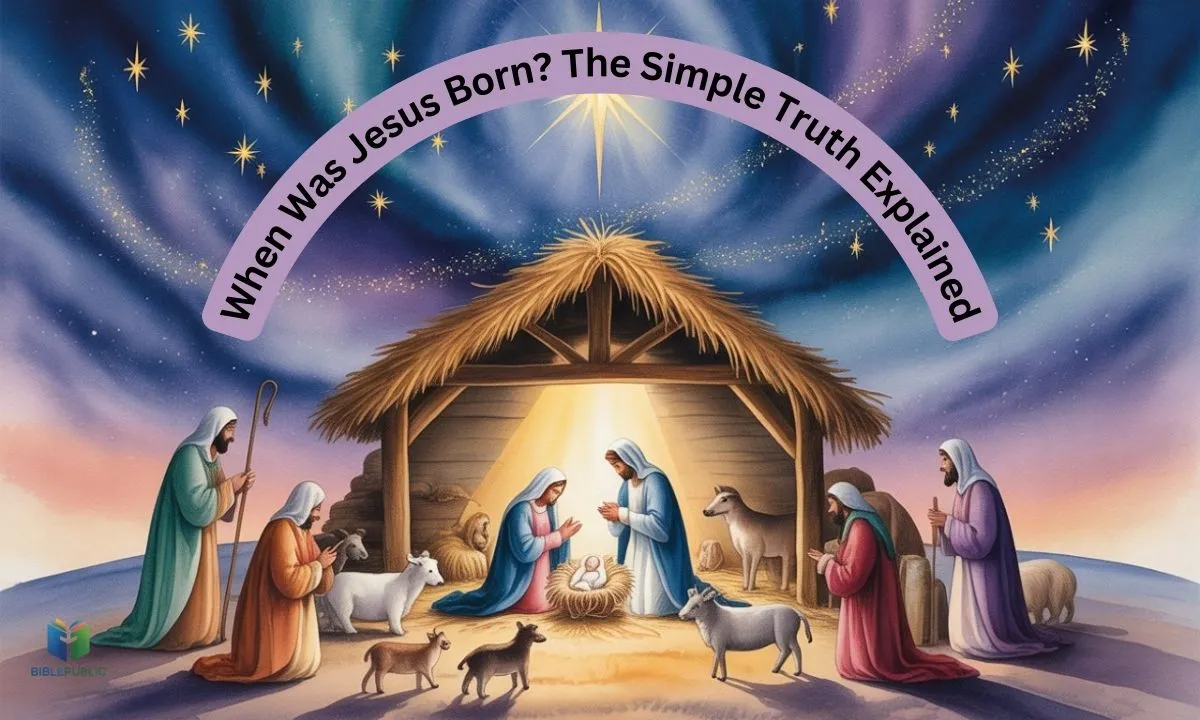
When Was Jesus Born? This question has intrigued believers and historians alike for centuries. Although Christmas is celebrated on December 25, the Bible does not reveal the exact day. In this article, we uncover historical evidence and Biblical accounts to explore the true birth date of Jesus.
Journey into the story of Jesus’ birth with fascinating details, key historical clues, and spiritual insights. You’ll learn about the Nativity story, seasonal hints, and why the date matters, helping you connect with the history and meaning behind this beloved celebration.
The Mystery Surrounding Jesus’ Birthday
The question When was Jesus really born has puzzled people for centuries. While the Christmas celebration is held on December 25, Biblical accounts of Jesus’ birth don’t give the exact date.
The Nativity story includes the shepherds in the fields, Magi / Wise Men, and the angelic announcement. These details enrich the mystery but do not reveal the precise day.
Key Clues That Raise Questions
| Clue | Description |
| Gospel of Matthew | Mentions the Star of Bethlehem guiding the Magi / Wise Men to Jesus’ birthplace. |
| Gospel of Luke | Highlights the shepherds in the fields witnessing the angelic announcement. |
| Roman census / Quirinius census | Provides historical context but no specific date. |
Read More: 20+ Heartfelt Merry Christmas Prayers for Loved Ones
Historical and Biblical Clues About Jesus’ Birth

Many scholars and believers often ask, When was Jesus Born? The Bible does not provide an exact date for Jesus Christ birth, but the Gospel of Matthew and Gospel of Luke give rich details. Matthew tells of the Magi / Wise Men following the Star of Bethlehem, while Luke focuses on the shepherds in the fields and the angelic announcement. Combined with historical evidence of Jesus’ birth, such as the Roman census under Quirinius and astronomical clues, these accounts help estimate when Jesus might have been born.
H3: Early Christian Traditions and Celebrations
In early Christianity, birthdays were rarely observed. Early Christian traditions show that December 25 became symbolic centuries later. The emphasis was always on Christian faith and the spiritual meaning of Jesus’ birth, forming the roots of today’s Christmas celebration.
Quick Reference Timeline
| Source | Key Clues | Significance | Historical Context |
| Gospel of Matthew | Visit of the Magi / Wise Men, Star of Bethlehem | Recognition of Jesus’ birth from distant lands | Possible planetary alignment around 7–6 BC |
| Gospel of Luke | Shepherds in the fields, angelic announcement | Highlights humble circumstances and local witnesses | Suggests springtime birth when shepherds were outdoors |
| Historical Evidence | Roman census / Quirinius census | Helps estimate the year of birth | Census around 6 AD, offering historical clues |
When Was Jesus Likely Born?

Determining when Jesus was born has fascinated historians and believers for centuries. Scholars examine historical records, astronomical events, and Biblical clues to estimate the possible date of Christ’s birth. Key evidence includes the Quirinius census, the Star of Bethlehem, and the patterns of shepherds in the fields.
Most research suggests that Jesus was likely born between 6 and 4 BC. While some theories propose a springtime birth based on seasonal and astronomical hints, no single date is universally agreed upon. Exploring these historical and spiritual clues helps us better understand the Nativity story and the significance of Jesus’ arrival.
Timeline of Key Events
| Event | Possible Year |
| Census under Quirinius | 6 AD (historical discrepancy) |
| Planetary alignment (Star of Bethlehem explained) | 7–6 BC |
| Shepherds in fields theory | Spring (March–April) |
What Year Was Jesus Actually Born?
The historical context suggests Jesus was born before 6 AD. Scholars consider the Roman census and astronomical clues, aligning them with Biblical narratives.
Most estimates range from 6–4 BC. This period fits the Gospel of Matthew and Gospel of Luke, giving us the best guess for When was Jesus really born.
Also Read: Heartfelt Christmas Prayers to Bring Peace and Joy Back to Your Home
What Season Was Jesus Born In?
Some scholars favor spring, citing shepherds in the fields at night. Others argue for winter based on the December 25 tradition and Winter solstice celebrations.
The Feast of Passover and Feast of Tabernacles / Sukkot also influence seasonal theories. No definitive evidence confirms one season, keeping the mystery alive.
What Day Was Jesus Born According to Evidence?
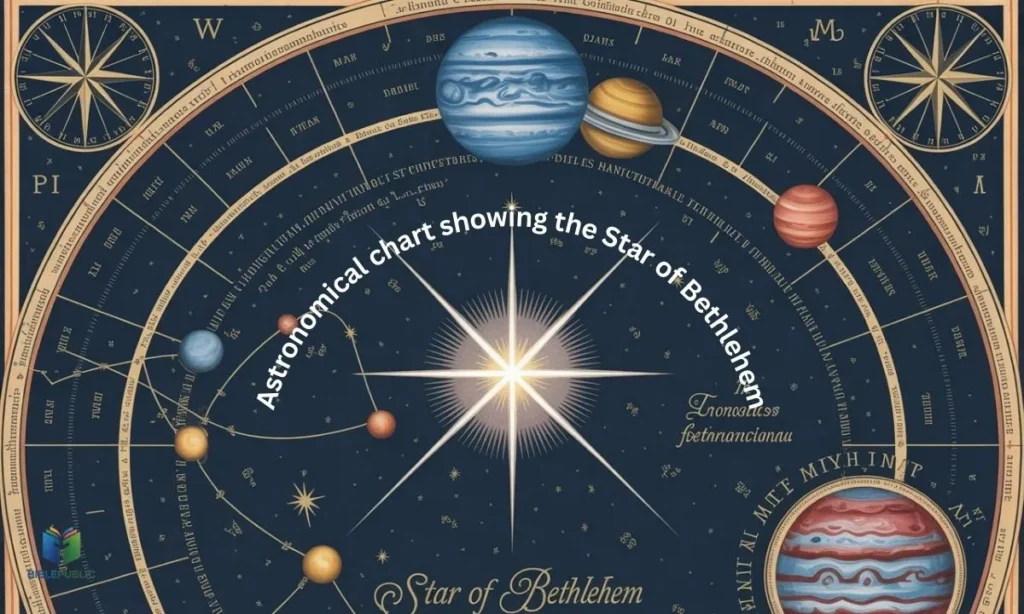
Many people wonder When Was Jesus Born. No historical document gives a precise day, but scholars use astronomical clues like the Star of Bethlehem to estimate possible timing.
Evidence:
- Roman census under Quirinius: Provides historical context around Jesus’ birth, suggesting a timeframe between 6–4 BC.
- Early Christian traditions: Did not assign a specific day, focusing instead on honoring the Christian faith and spiritual meaning of Jesus’ birth.
Why December 25 Became the Celebrated Birthday of Jesus
The date matches the Winter solstice and the Sol Invictus festival, celebrating light over darkness. Early Christians adopted December 25 to align with familiar Roman festivals.
Pope Julius I officially set December 25 in the 4th century. The decision highlighted Jesus as the “light of the world”, linking celebrations with Christian faith instead of pagan rituals.
Exploring Other Possible Dates for Jesus’ Birth
Many wonder When Was Jesus Born, as the Bible does not specify an exact date. Scholars study historical clues, astronomical events, and Biblical accounts to estimate possible timings.
While no single date is confirmed, historians consider these possibilities:
| Possible Date | Evidence / Reasoning |
| Spring (March–April) | Shepherds in the fields, Jewish Feast of Passover, favorable weather conditions. |
| Autumn (Sept–Oct) | Feast of Tabernacles / Sukkot, symbolism of God dwelling among His people. |
| December 25 | Early Christian tradition, Winter solstice, and Sol Invictus festival influence. |
Theological Views on the Significance of Jesus’ Birth Date
Many people ask When Was Jesus Born, but Christian theology teaches that the exact day matters less than the purpose of His coming into the world. Believers focus on the message of God’s love, hope, and salvation rather than a precise calendar date.
Throughout history, Christians have emphasized the spiritual meaning of Christ’s birth: God entering humanity, bringing light into darkness, and fulfilling divine promises.
Theological Views
- The Incarnation Matters More Than the Date
The core belief centers on God becoming human through Jesus Christ, showing unconditional love and redemption. - Christmas as a Spiritual Celebration
December 25 became widely accepted not because of historical certainty, but because it helps unify Christians in celebrating Jesus’ birth. - Meaning Over Accuracy
Theological teachings highlight that honoring Christ’s arrival is more important than determining the exact day. - Traditions Strengthen Faith
Worship, prayer, and Christmas customs help believers reflect on the deeper purpose of Jesus’ birth beyond historical timelines.
See Also: Why Is Christmas Called Xmas? The Amazing History
How Other Religions Interpret the Birth of Jesus

Many people who explore When Was Jesus Born also discover that different religions interpret Jesus’ birth in unique ways. While Christianity centers on the Nativity story, celebrating Jesus as the Son of God, other faiths honor Him differently based on their own sacred teachings.
How Different Religions Interpret the Birth of Jesus
- Islam (Muslims): Jesus (Isa) is honored as a prophet born miraculously to Mary (Maryam). Islam respects His birth but does not celebrate Christmas or a specific birthday like Christians do.
- Judaism (Jewish faith): Jesus is seen as a historical figure, not the promised Messiah. Judaism does not mark His birth as a religious event.
- Hinduism: Some Hindus view Jesus as a divine teacher or an enlightened soul, appreciating His spiritual teachings more than the historical details of His birth.
- Buddhism: Many Buddhists regard Jesus as a wise and compassionate teacher, focusing on His moral messages rather than the Nativity story or a literal birth date.
- Other world religions: Different belief systems interpret Jesus with respect, symbolism, or historical interest, each offering its own understanding of His life and teachings.
These diverse perspectives show how Jesus’ birth carries spiritual meaning, cultural significance, and different levels of reverence across the world. They also highlight how Christian denominations uniquely celebrate Christmas compared to other global faith traditions, each honoring Jesus in their own way..
Modern Relevance of Jesus’ Birth
Understanding When Was Jesus Born still matters today because it helps people look beyond the calendar date and reflect on the deeper message of Christmas. The story of Jesus’ birth continues to inspire hope, compassion, and unity across generations.
Even though the exact birthday is unknown, the spiritual meaning of His arrival remains at the heart of Christian faith. It encourages believers to remember the values Jesus stood for and how they can apply those teachings in everyday life.
In modern times, Christmas traditions from family gatherings and thoughtful gifts to worship services and acts of kindness help people reconnect with the true purpose of the season. These traditions keep the message of Jesus’ birth alive, reminding families to celebrate love, peace, forgiveness, and gratitude.
Today’s observances show how the Nativity story still shapes culture worldwide. Whether through community events, charitable giving, or quiet moments of reflection, the birth of Jesus continues to influence how people choose to live, connect, and share faith with others.
Call to Action
What do you think about the exact date of Jesus’ birth? Share your thoughts in the comments below!
You can also explore other articles about Nativity stories, Christmas origins, and the historical evidence of Jesus’ birth to learn more.
Conclusion
Looking into When Was Jesus Born allows us to connect with both the historical evidence and the Nativity story. Even though the exact date is unknown, exploring Biblical accounts, traditions, and astronomical clues brings the spiritual meaning of Jesus’ birth to life.
Whether you celebrate Christmas on December 25 or consider the spring and autumn birth theories, the importance of Jesus’ birth remains timeless. Let the story inspire love, hope, and faith, and share its message to keep the joy and meaning of this special event alive.
Frequently Asked Questions
What is Jesus’ actual birthday?
The exact date of Jesus’ birth is unknown. Scholars study Biblical accounts, historical evidence, and astronomical clues to explore When Was Jesus Born.
Could Jesus have been born on March 24th?
Some theories suggest a spring birth, around March or April, based on shepherds in the fields and the Jewish Feast of Passover, but the exact date remains uncertain.
Is December 25th really the day Jesus was born?
December 25 became the traditional date for Christmas celebration, influenced by Roman festivals and early Christian traditions, yet historical evidence does not confirm this as the true birthday.
Was Jesus born on September 11th?
There is no historical or Biblical support for September 11 as Jesus’ birth date. Scholars focus on evidence from the Gospels, Roman census, and astronomical events instead.
How does the Quran describe the life of Jesus?
The Quran honors Jesus as a prophet and messenger of God but does not mention a specific birth date. His spiritual significance is emphasized rather than a calendar day.
When Was Jesus Born according to historical and Biblical clues?
Historical evidence like the Quirinius census, Star of Bethlehem, and Gospel accounts suggest a birth between 6–4 BC, helping estimate When Was Jesus Born.
Why is understanding Jesus’ birth date important?
Knowing When Was Jesus Born helps connect with the Nativity story, understand traditions, and appreciate the spiritual meaning behind Christmas and Jesus Christ’s birth.

Mark, founder of BiblePublic.com, shares inspiring insights on the Bible, blessings, and prayer. His mission is to encourage faith, deepen understanding, and help others walk closely with God daily.