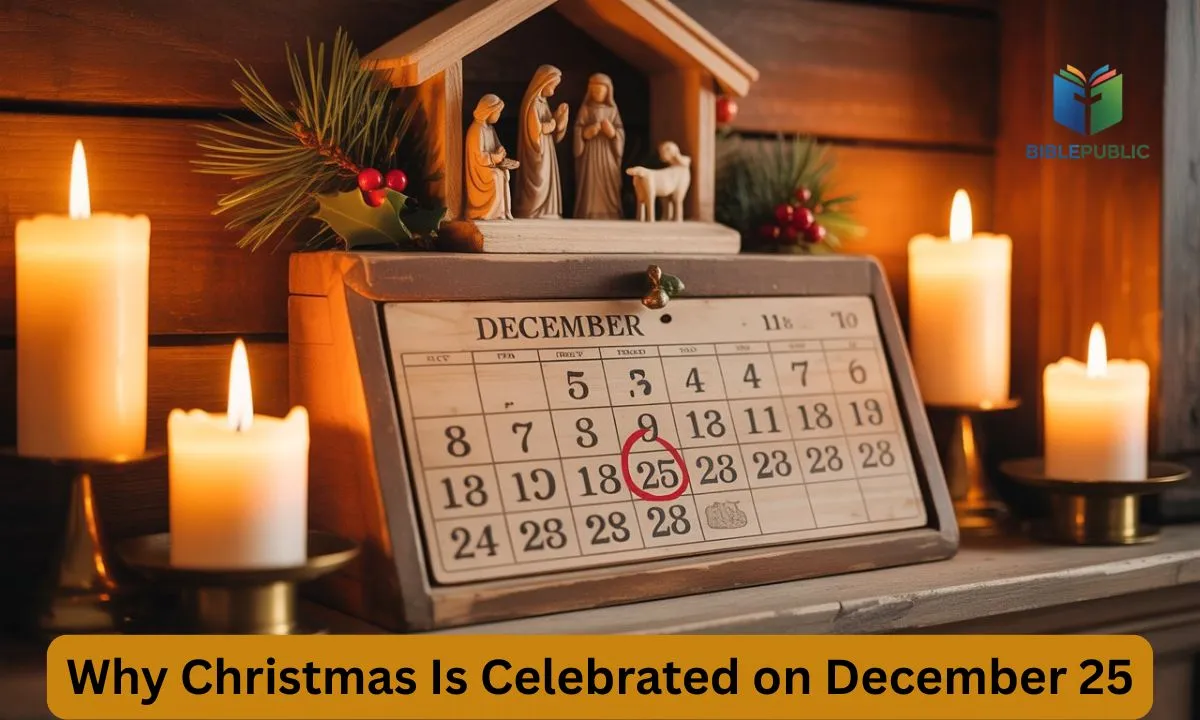
Many people celebrate the festive season without knowing its origins. Understanding why Christmas is celebrated reveals how Christian traditions and historical influences shaped the meaningful customs we enjoy, making December 25 a special day filled with joy, reflection, and togetherness.
From ancient practices to modern festivities, exploring this holiday history uncovers the stories behind beloved traditions. Learning these origins not only enriches our knowledge but also inspires appreciation, connection, and a deeper sense of the spiritual and cultural significance of Christmas.
Three Popular Theories About December 25
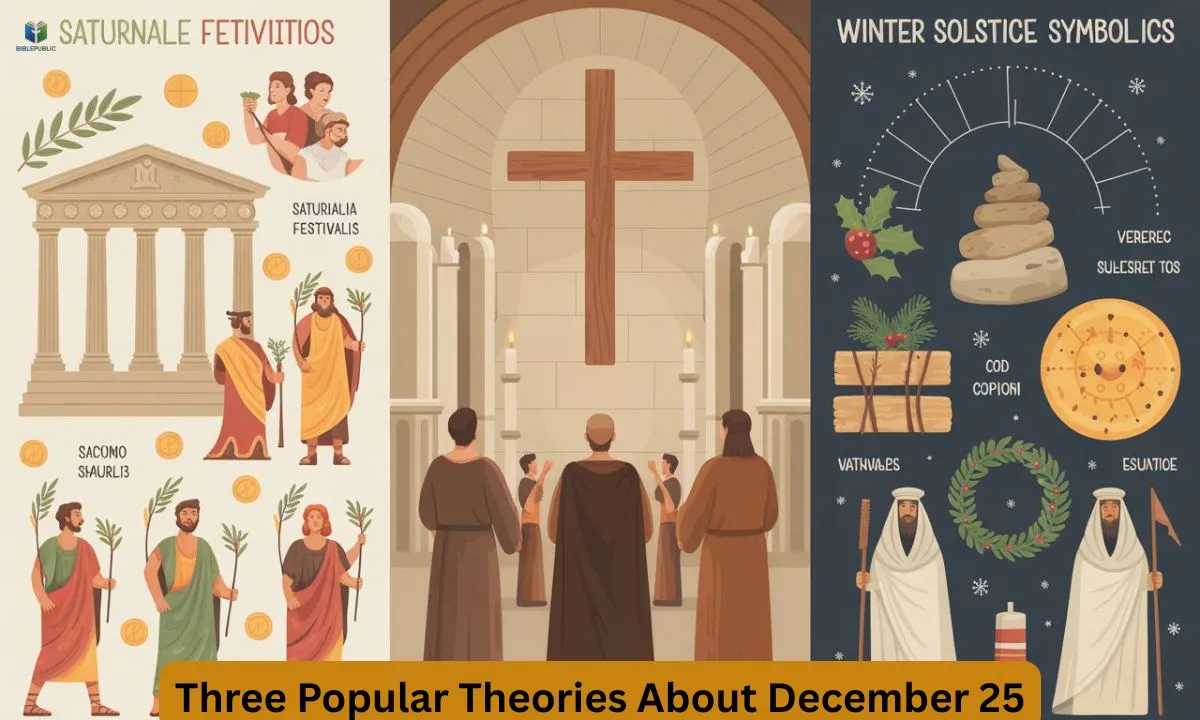
Many people wonder about the origins of Christmas, and historians suggest several explanations. Connections to Roman festivals, cultural customs, and early Christian symbolism reveal fascinating holiday history and ancient traditions.
These theories show how Jesus Christ’s birth became linked to seasonal events and symbolic moments. Exploring these stories helps us understand the deeper meaning of why Christmas is celebrated and its lasting significance.
Pagan Festival Supersession
One widely accepted theory is that early Christians chose December 25 to coincide with existing Roman pagan festivals. The festival of Sol Invictus, meaning “Unconquered Sun,” was celebrated on December 25 and honored the rebirth of the sun during the winter solstice. Similarly, Saturnalia, a week-long festival honoring Saturn, included feasting, gift-giving, and merrymaking. By aligning Christ’s birth with these festivals, Christian leaders offered a spiritual alternative, presenting Jesus as the “true Light of the world.”
Theological Calculation
Another theory is based on symbolic computation. Some early theologians believed Jesus was conceived on March 25, the same day as the Annunciation, which celebrates the angel Gabriel telling Mary she would give birth to Christ. Adding nine months brings us to December 25. This calculation may have also aligned with the idea that significant events like the creation of the world or even the crucifixion occurred in March, giving symbolic importance to both conception and birth.
Political and Cultural Strategy
As Christianity gained prominence in the Roman Empire, church leaders may have deliberately selected December 25 to ease the transition from pagan traditions to Christian observance. By choosing a familiar festive period, they helped converts adopt Christian celebrations without abandoning cultural traditions. Under Emperor Constantine, this date gained wide acceptance, eventually becoming a unifying festival across the empire.
Read More: The Lord’s Prayer In The Bible
When Was Jesus Actually Born?
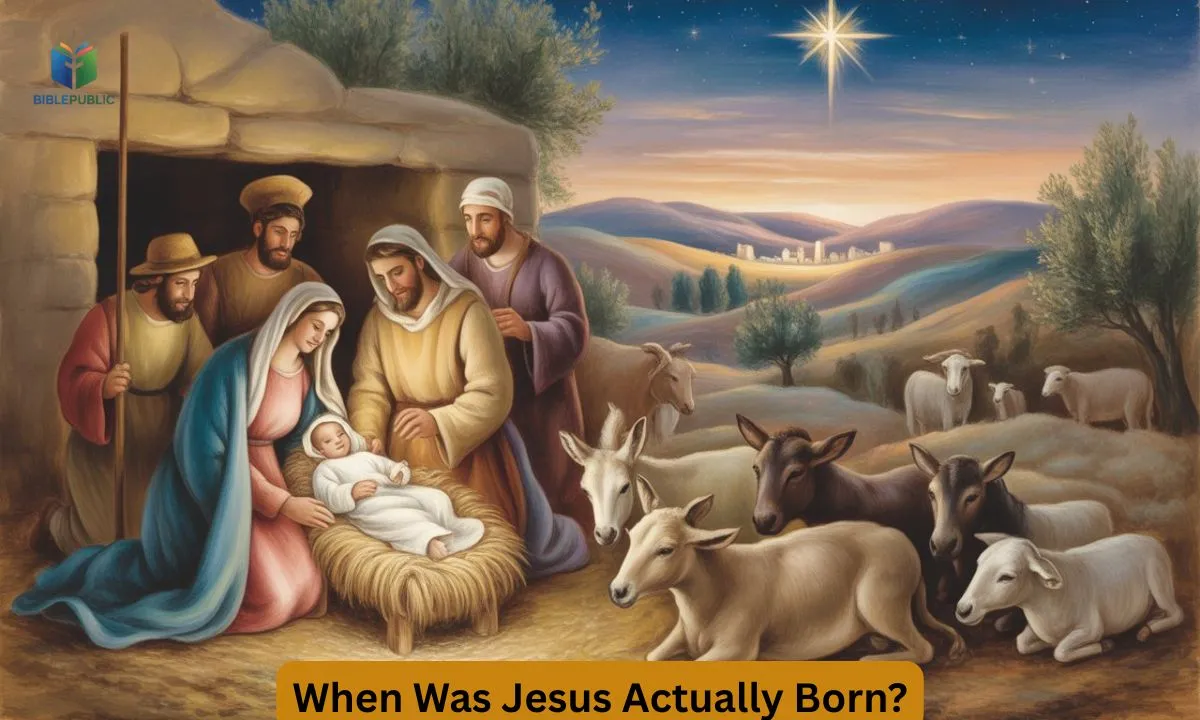
The exact date of Jesus’ birth is unknown, but historical and biblical clues reveal how December 25 became recognized for celebration, offering insight into holiday history and ancient traditions.
Exploring these details provides context for Christmas customs and seasonal celebrations, helping us appreciate the deeper meaning of why Christmas is celebrated and its spiritual significance.
- The exact birthdate of Jesus is unknown. Clues from the Gospels, such as shepherds tending flocks at night, suggest that his birth may have occurred in the spring rather than midwinter.
- Historical scholars place Jesus’ birth roughly between 6 BC and 4 BC, based on historical records of King Herod and Roman governance.
- Some early Christian writers, like Sextus Julius Africanus, used symbolic calculations to derive December 25, connecting it to both the conception of Jesus and the cycles of the calendar.
- Regardless of the actual date, December 25 became a widely recognized day to honor and celebrate his birth, blending historical, symbolic, and theological reasoning.
Also Read: 200 Short Bible Verses to Inspire Your Daily Life
The Historical Origin of Christmas
The historical origin of Christmas reveals a rich blend of faith, culture, and tradition. Learning about ancient customs and holiday history explains the significance of December 25 and why Christmas is celebrated.
From early Christian observances to Roman festival influences, Christmas evolved over centuries. Understanding these historical roots helps us appreciate meaningful traditions, stories, and the lasting impact of festive celebrations.
- The first recorded celebration of Christmas on December 25 dates back to 336 AD in Rome.
- By the 4th century, church leaders, including Pope Julius I, formally recognized this date to unify Christians across the empire.
- Over time, Christmas evolved from a religious observance to a cultural celebration that included feasting, music, and community gatherings.
- Not all Christian traditions celebrate on December 25. Many Eastern Orthodox Christians observe Christmas on January 7, due to differences between the Julian and Gregorian calendars.
Christmas Traditions and Customs
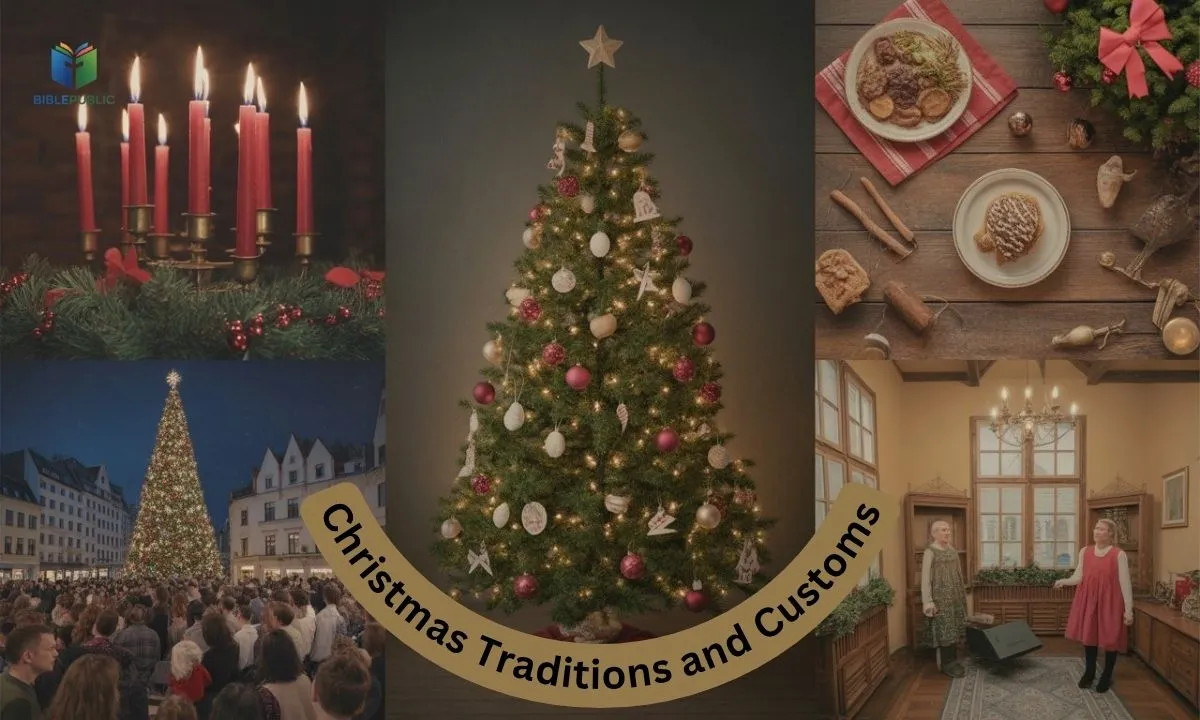
Christmas traditions bring families together through joyful rituals, festive gatherings, and meaningful symbols. Exploring these holiday customs and seasonal celebrations helps us understand why Christmas is celebrated.
From decorating homes to exchanging gifts, each tradition tells a story. These practices foster unity, spreading love, hope, and happiness while highlighting the cultural and spiritual importance of festive celebrations.
- Gift-Giving and Feasting: Many Christmas customs, like exchanging gifts and feasting, echo ancient seasonal festivals but have been infused with Christian symbolism.
- Decorations and Carols: Decorating trees, hanging wreaths, and singing carols developed later, reflecting joy, hope, and the celebration of Christ’s birth.
- Symbolism of Light: Celebrating near the winter solstice emphasizes Christ as “light in the darkness,” highlighting spiritual themes of hope, guidance, and renewal.
- Global Variation: While traditions vary around the world, the central focus of Christmas remains the birth of Jesus and the themes of love, generosity, and peace.
See Also: Biblical Meaning of Seeing Jesus in a Dream for 2025
Why Does This Date Still Matters?

Even today, why Christmas is celebrated holds deep spiritual and cultural significance. This meaningful day blends Christian traditions with holiday celebrations, symbolizing the birth of Jesus Christ and spreading hope and joy worldwide.
December 25 unites families and communities through cherished customs and festive gatherings. Exploring these traditions helps us appreciate the rich history and lasting relevance of Christmas in our lives today.
- Spiritual Significance: Beyond historical facts, December 25 reminds Christians of God’s love entering the world through Jesus.
- Cultural Unity: The date helped unify Christian communities across regions, providing a shared time of celebration and reflection.
- Enduring Traditions: Modern customs from gift-giving to carols connect people to both the historical and spiritual origins of Christmas, making it a meaningful holiday for all ages.
Conclusion
Understanding the origins of Christmas helps explain why Christmas is celebrated. Exploring its Christian traditions and holiday customs shows how December 25 became a meaningful day filled with joy, hope, and togetherness for people around the world.
From ancient roots to modern celebrations, this special day continues to inspire love, generosity, and community. Appreciating these traditions encourages us to embrace the season with gratitude, connect with loved ones, and celebrate the true spirit of Christmas.
Frequently Asked Questions
Why is Christmas celebrated on December 25?
Christmas is celebrated on December 25 to honor the birth of Jesus Christ, combining Christian traditions with historical and cultural influences that shaped this festive day.
Was Jesus Christ really born on December 25?
The Bible does not specify an exact date for Jesus’ birth, but December 25 became widely recognized as the symbolic day for celebration.
How did December 25 become the official date for Christmas?
Early Christian leaders chose December 25 to align with existing festivals and symbolic timing, giving the holiday both historical and spiritual significance.
What ancient events influenced December 25?
Roman festivals like Saturnalia and Sol Invictus influenced early Christmas traditions, shaping why people celebrate this day with joy and communal gatherings.
Why do we still celebrate Christmas on December 25 today?
December 25 continues to be celebrated for its spiritual meaning, cultural traditions, and the message of hope, love, and generosity it represents.
What role did Christian symbolism play in choosing December 25?
Christian leaders incorporated symbolic references to Christ’s birth and light into the date, blending religious meaning with seasonal celebrations.
How did Roman festivals influence Christmas customs?
Festivals like Saturnalia introduced gift-giving, feasting, and communal celebrations that later became part of Christmas traditions.
Does the date of December 25 affect the significance of Christmas?
While the exact date is uncertain, December 25 is celebrated globally, emphasizing joy, hope, and the spiritual importance of Christ’s birth.
How do cultural traditions shape Christmas today?
Cultural practices like decorating, feasting, and music enrich the holiday, showing how why Christmas is celebrated merges faith and community.
Why is it important to know the history of December 25?
Learning the origins of December 25 helps us appreciate its meaning and understand why Christmas is celebrated beyond gifts and festivities.

Mark, founder of BiblePublic.com, shares inspiring insights on the Bible, blessings, and prayer. His mission is to encourage faith, deepen understanding, and help others walk closely with God daily.