
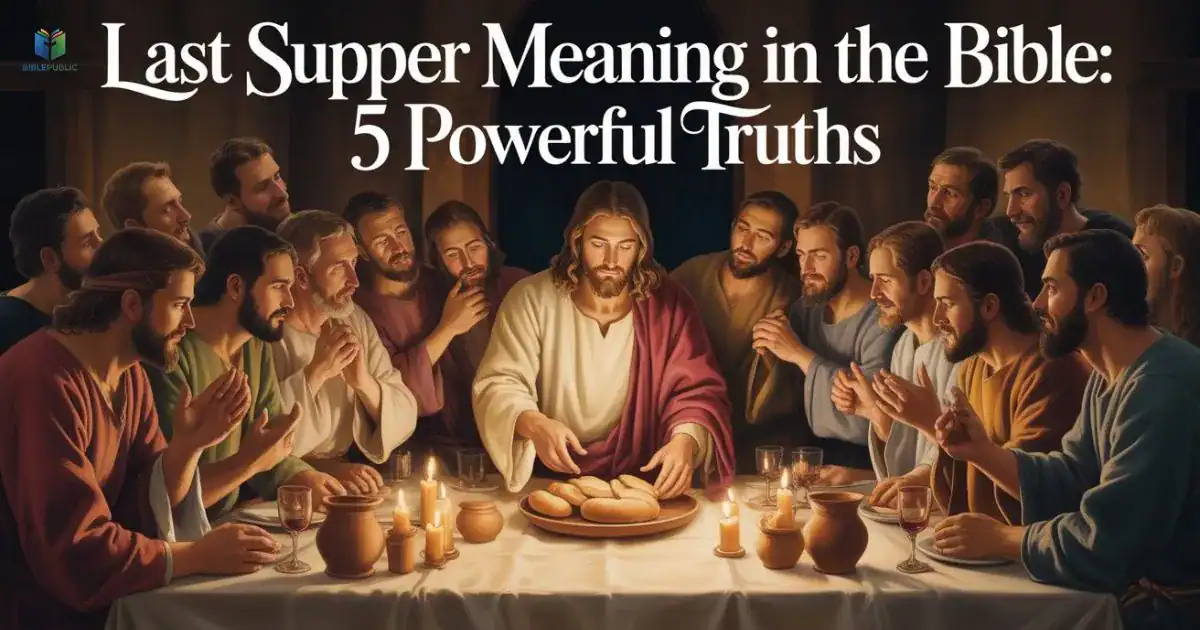
Discovering the Last Supper meaning in the Bible helps believers understand Jesus’ sacrifice and the spiritual lessons He shared. Many struggle to see how this sacred meal relates to faith today. Exploring its significance uncovers the purpose behind the bread, wine, and the new covenant, making scripture meaningful for all Christians.
This guide shares five powerful truths about the Last Supper that inspire humility, devotion, and Christian living. Readers will gain practical insights, deepen their faith, and learn how to apply Jesus’ teachings in daily life for a stronger spiritual connection.
What Happened at the Last Supper in the Bible?
The Last Supper was Jesus’ final meal with His disciples before His crucifixion. It marked a sacred moment where He revealed His coming sacrifice and shared deep biblical insight about God’s plan for humanity. Learn more about the connection between Jesus’ sacrifice and Easter in Is Easter Biblical for a deeper understanding.
During this meal, Jesus broke bread and poured wine, teaching their spiritual significance. This event established the new covenant promise and forms the foundation of Christian communion, symbolizing love, redemption, and faith (Matthew 26:17–30).
Where Is the Last Supper Recorded in Scripture?
The Last Supper is recorded in Scripture across Matthew 26:17–30, Mark 14:12–26, Luke 22:7–20, and John 13:1–30. Each gospel provides a clear biblical account of Jesus’ final meal and teachings.
These passages also reveal the prophecy of His sacrifice, the establishment of the new covenant, and the deep significance of bread and wine for His followers.
Last Supper Meaning in the Bible Explained Simply

The Last Supper meaning in the Bible reveals God’s covenant promise and Jesus’ ultimate sacrifice for humanity. It shows how His body and blood bring forgiveness, spiritual renewal, and the gift of salvation for all who follow Him.
This event also teaches obedience, humility, and love, strengthening Christian faith. By reflecting on these biblical teachings, believers understand the depth of service, devotion, and the sacred act of communion in daily life.
Bread and Wine Meaning in the Last Supper
Bread represents Jesus’ body broken for humanity, while wine symbolizes His blood shed for the forgiveness of sins. These elements carry deep biblical symbolism and are central to understanding Christian redemption and sacrifice.
Communion with bread and wine provides spiritual nourishment and unites believers in faith. Recognizing their meaning helps Christians remember Jesus’ teachings about love, obedience, and the establishment of the new covenant (Luke 22:19–20).
Last Supper Meaning: Bread and Wine Significance
The spiritual significance of bread and wine emphasizes God’s promise and the covenant established through Christ. Bread unites believers, and wine reflects salvation, eternal life, and the fulfillment of Old Testament prophecy.
Understanding this symbolism strengthens faith, inspires humility, and encourages daily obedience and devotion. These elements also highlight the importance of Christian ritual, reinforcing Jesus’ mission of redemption and love for humanity.
How the Last Supper Connects to Passover
The Last Supper coincided with the Jewish Passover, linking Jesus’ sacrifice to the Passover lamb. This connection illustrates deliverance, freedom, and God’s unwavering faithfulness while reflecting Jewish tradition (Exodus 12:1–14).
Recognizing this context highlights the fulfillment of prophecy and foreshadowing of Christ’s mission. For more insights on the historical significance of Passover, see Bible Gateway – Exodus 12:1–14.” It also shows continuity between the Old Covenant and the new covenant, as Jesus bridges tradition with new spiritual meaning for His followers.
5 Powerful Truths About the Last Supper
The Last Supper in the Bible reveals five powerful truths every Christian should know. This sacred meal illustrates Jesus’ sacrifice, the new covenant, and the foundation of faith (Luke 22:19–20, Matthew 26:26–28). Understanding these truths strengthens spiritual reflection, deepens faith, and guides believers in humility, obedience, and service.
Each truth provides actionable lessons to apply in daily life, from practicing servant leadership to participating in communion with reverence.
1: A New Covenant Was Established
Jesus instituted a new covenant, promising salvation through His body and blood. This fulfilled Messianic prophecy, replacing old rituals and offering eternal forgiveness, blessing, and God’s divine promise (Hebrews 9:15).
Believers today can understand that this covenant reinforces faith, obedience, and spiritual renewal, guiding Christians to live in trust and gratitude while reflecting on God’s plan of eternal life.
2: Jesus Foretold His Sacrifice
At the Last Supper, Jesus foretold His crucifixion, fulfilling prophecy and revealing God’s redemptive plan (Luke 22:19–20). This moment assures believers of salvation and the certainty of God’s purpose.
Understanding this prophecy strengthens trust in divine foretelling, encouraging Christians to embrace Jesus’ sacrifice as a model for faith, hope, and spiritual perseverance in everyday life.
3: Humility and Service Were Modeled
Jesus washed His disciples’ feet, demonstrating servant leadership, humility, and discipleship (John 13:14–15). This act sets a Christlike example, teaching believers to put others first in love and service.
Applying this lesson today means practicing compassion, generosity, and spiritual humility in family, church, and community life, reflecting Christ’s teachings in practical ways.
4: Betrayal Was Revealed in Advance
Jesus identified Judas as the one who would betray Him, highlighting human weakness and the need for vigilance in faith. This biblical account demonstrates God’s sovereign orchestration of His redemptive plan.
Believers can learn to stay alert against spiritual pitfalls, trust God’s guidance, and practice forgiveness while understanding that God works through even difficult circumstances for ultimate good.
5: Communion Was Instituted
Jesus established communion to honor His sacrifice, giving the bread and wine deep ritual significance (Luke 22:19–20). These elements symbolize forgiveness, grace, and spiritual reflection, forming the foundation of Christian worship.
Participating in communion strengthens believers’ connection to Christ, encourages daily spiritual reflection, and reinforces the practice of remembering God’s presence and covenant in modern Christian life.
What the Last Supper Teaches Christians Today

The Last Supper teaches obedience, humility, and faith, reminding believers of the importance of love, community, and trusting God in daily life. It also encourages active Christian practice in every decision.
Studying this event inspires believers to embrace forgiveness, service, and reflection, strengthening their prayer life and fostering spiritual application through communion and personal devotion (1 Corinthians 11:23–26).
Practical Ways to Apply These Lessons Daily
Believers can apply these lessons through prayer, serving others, and participating in communion. Regular reflection on humility and sacrifice strengthens faith practice and encourages daily devotion, guiding a Christ-centered Christian lifestyle.
Why the Last Supper Still Matters Today
The Last Supper remains a cornerstone of Christian tradition, shaping worship, spiritual practice, and understanding of eternal significance. It teaches the meaning of sacrifice, redemption, and communal faith in modern life.
Remembering this event highlights important biblical lessons, inspires hope, deepens devotion, and reinforces ongoing spiritual growth. It continues to guide believers in living a Christ-centered life across generations.
Common Misunderstandings About the Last Supper
Some believe the Last Supper was just a simple meal or purely symbolic. In reality, it carries profound spiritual meaning, highlighting redemption, covenant, and the foundation of communion in the Bible.
Providing clear biblical interpretation and doctrinal clarity helps believers fully understand Jesus’ sacrifice and apply His teachings on faith, humility, and service in daily life.
Key Takeaways: Last Supper Meaning and Lessons in the Bible

The Last Supper meaning in the Bible emphasizes sacrifice, the new covenant, and spiritual unity. Bread and wine symbolize forgiveness, faith, and devotion, reinforcing core biblical teachings for believers.
These lessons offer practical guidance, helping Christians live with humility, love, and service. Reflecting on this sacred event provides Christian guidance and practical lessons to deepen faith and strengthen understanding of Jesus’ teachings.
Final Reflections on the Last Supper Meaning in the Bible
The Last Supper meaning in the Bible reveals Jesus’ sacrifice, the establishment of the new covenant, and the spiritual lessons that guide Christian life. Reflecting on this sacred meal deepens understanding of faith, forgiveness, humility, and devotion, helping believers connect scripture to practical daily living while strengthening their relationship with God.
Applying these five powerful truths can transform how Christians live and serve. Take time to meditate on Jesus’ teachings, participate in communion with purpose, and share these lessons with others to nurture faith, encourage spiritual growth, and embody Christ’s love in everyday life.
Who Was Present at the Last Supper?

Jesus shared the Last Supper with His twelve apostles, including Judas who would betray Him. This biblical account highlights loyalty, human weakness, and God’s unfolding plan of salvation (Luke 22:21–23).
Understanding the participants offers insight into Jesus’ teaching moments, the meaning of fellowship, and the responsibilities of faith within a Christian community, guiding believers in living faithfully and serving others.
Frequently Asked Questions
What is the true meaning of the Last Supper in the Bible?
The Last Supper in the Bible symbolizes Jesus’ sacrifice, the new covenant, and spiritual unity (Luke 22:19–20). It reminds believers of redemption, forgiveness, and daily devotion through faith and obedience.
Who were present at the Last Supper with Jesus?
Jesus shared the meal with His twelve apostles, including Judas Iscariot (Luke 22:21–23). Understanding the disciples’ presence highlights loyalty, human weakness, and the unfolding of God’s redemptive plan.
What do bread and wine represent in the Last Supper?
Bread symbolizes Jesus’ body broken for humanity, and wine represents His blood shed for forgiveness of sins. This Christian ritual encourages spiritual reflection, communion participation, and deeper faith practice.
How does the Last Supper fulfill prophecy?
Jesus’ words at the Last Supper fulfilled Messianic prophecy, foreshadowing His crucifixion and salvation plan (Matthew 26:26–28). Believers learn the certainty of God’s purpose and trust His divine guidance in life.
Why is the Last Supper important for Christian practice today?
The Last Supper teaches obedience, humility, and service. Participating in communion and reflecting on its meaning strengthens prayer life, spiritual growth, and application of Christlike values in daily life.
Is the Last Supper only symbolic or historically real?
The Last Supper was both historical and symbolic. Biblical accounts in all four gospels confirm its reality, while its spiritual meaning guides believers in faith, humility, and ongoing devotion.
How can I apply the lessons of the Last Supper daily?
Believers can practice humility, serve others, pray, and participate in communion regularly. Reflecting on Jesus’ sacrifice reinforces faith, obedience, and Christian lifestyle, connecting scripture to everyday life.

Chris Saadil is the founder of BiblePublic.com, where he shares biblical insights to help readers understand God’s Word and grow in faith. His mission is to make Scripture clear, practical, and encouraging through Bible verses, biblical teachings, prayer, and Christian living, helping believers build a deeper relationship with God every day.