Halloween can leave Christians with honest questions. Some wonder whether joining in fits their faith, while others feel unsure about what Scripture actually teaches. A thoughtful Christian Response to Halloween begins by looking beyond tradition and personal opinion and asking what biblical wisdom says.
This guide will help you view Halloween through Scripture, faith, and an informed conscience. You will learn how Christian devotion, personal convictions, freedom, and family concerns can shape a wise response that honors God and brings peace to your decision.
Why Halloween Raises Concerns for Many Christians
Halloween can raise genuine concerns for Christians because some of its themes, symbols, or activities may appear inconsistent with biblical values. For some believers, the question is not simply whether a tradition is popular, but whether taking part could conflict with their convictions, spiritual integrity, or Christian witness.
These concerns deserve thoughtful consideration rather than quick judgment. Christians may approach the season differently because of their biblical understanding, church traditions, family convictions, or personal conscience. A mature response recognizes these differences while keeping Scripture as the foundation for spiritual decisions.
The issue, therefore, is not simply whether Halloween is accepted or rejected by the surrounding culture. Christians can examine whether a particular activity reflects values consistent with following Christ. This moves the discussion away from cultural pressure and toward biblical discernment, faithful obedience, and a sincere desire to honor God.
How Biblical Wisdom Shapes a Christian Response to Halloween
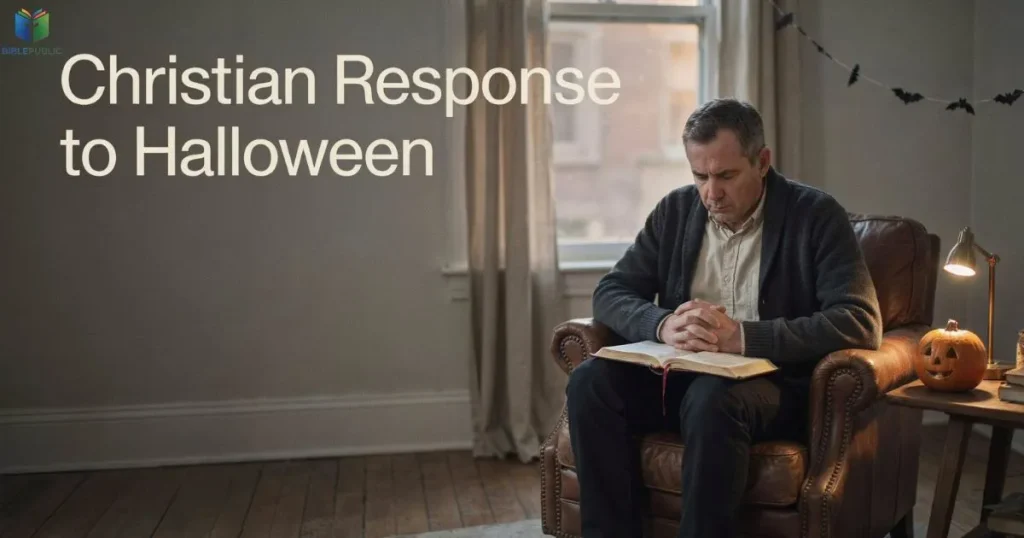
The Bible does not give Christians a specific command concerning the modern observance of Halloween. Instead, Scripture provides principles that help believers evaluate situations that are not directly addressed by name. Biblical wisdom enables Christians to think carefully rather than making decisions based only on tradition, emotion, fear, or the opinions of others.
James 1:5 gives a helpful foundation: “If any of you lack wisdom, let him ask of God.” KJV. This reminds believers that wisdom should be sought from God. Prayer, therefore, belongs in the decision-making process, especially when a cultural practice raises questions about conscience or Christian witness.
Biblical wisdom also calls believers to examine what they encounter. First Thessalonians 5:21 says, “Prove all things; hold fast that which is good.” KJV. The principle is neither to accept everything uncritically nor reject everything automatically, but to examine matters carefully in light of God’s truth.
A faithful response brings Scripture, prayer, discernment, wisdom, and love together. Christians can think biblically while avoiding both careless participation and unnecessary condemnation of believers who reach different conclusions.
For Christians seeking a broader framework for testing spiritual claims and messages against Scripture, biblical discernment for testing spiritual messages provides a helpful foundation for making responsible faith-based judgments.
Biblical Principles for Evaluating Halloween
Several biblical principles can help Christians evaluate Halloween-related participation. First, Scripture calls believers to consider whether their actions honor God. Paul writes, “whatsoever ye do, do all to the glory of God.” (1 Corinthians 10:31, KJV)
Although Paul was addressing a different situation, the principle applies broadly to Christian conduct. A believer’s choices should reflect a desire to glorify God rather than simply satisfy personal preference or follow cultural expectations. The question is whether a particular activity can honestly be approached with faith, integrity, gratitude, and a desire to honor Christ.
Another principle involves Christian liberty. Scripture gives clear commands about sin, but not every cultural practice receives a direct biblical command. In such matters, believers may need to apply broader biblical principles and exercise a conscience informed by God’s Word.
First Corinthians 10:23 provides an important balance: “All things are lawful for me, but all things are not expedient.” KJV. Christian freedom is therefore not simply about asking whether something is permitted. Wisdom also considers whether a choice is beneficial, spiritually responsible, and consistent with love and Christian witness.
Romans 14 offers another important framework for matters of conscience. Christians are called to make faithful decisions before the Lord without turning personal convictions into universal commands where Scripture has not done so. For broader context about Halloween from a biblical perspective, what Christians should know about Halloween offers related background without changing the focus of this discussion.
Distinguishing Biblical Conviction From Cultural Pressure

A biblical conviction should be grounded in Scripture rather than created by social pressure. Christians should not participate merely because everyone around them does, nor should they avoid something simply because another believer strongly disapproves.
Romans 14:5–6 presents a useful principle for matters involving personal conviction. Paul describes believers holding different views about certain days while emphasizing that each person should act with a desire to honor the Lord. This does not make truth relative; it recognizes that some decisions require sincere judgment before God.
At the same time, personal conviction should never be used to override clear biblical teaching. Conscience must be informed by Scripture, not treated as an authority above God’s Word.
This distinction helps Christians avoid two opposite errors: allowing culture to determine their convictions or treating personal preferences as if they were commands from God.
Making a Wise Christian Decision About Halloween
A wise Christian decision involves more than asking, “Can I do this?” A better question is, “How should I respond in a way that honors Christ?” This approach considers motives, activities, conscience, relationships, and Christian witness together.
First Corinthians 10:31 provides a broad biblical standard: “Whether therefore ye eat, or drink, or whatsoever ye do, do all to the glory of God.” KJV. While Paul was addressing another issue, the principle concerns the purpose behind everyday Christian choices and can therefore inform decisions about cultural practices.
Christians can also evaluate individual activities rather than assuming that every Halloween-related practice carries exactly the same significance. Careful evaluation allows believers to consider what they are actually doing, why they are doing it, and whether they can do so faithfully before God.
The motive behind a decision matters as well. A Christian should examine whether participation comes from genuine freedom and a clear conscience, or whether it is driven by fear, peer pressure, the desire for approval, or the wish to avoid criticism. The same honesty should apply when choosing not to participate.
Questions to Consider Before Participating

Before participating in any Halloween-related activity, a Christian can prayerfully consider these questions:
- Can I participate with a clear conscience before God?
- Does this activity conflict with a clear biblical principle?
- Am I making this choice from conviction or social pressure?
- Does my motive reflect faithfulness to Christ?
- Could this decision weaken my Christian witness?
- Can I genuinely thank God while taking part?
- Could my choice unnecessarily trouble another believer?
- Does this decision help me pursue what is honorable and pleasing to God?
These questions are not a rigid formula. They provide a practical framework for slowing down, examining motives, and applying biblical wisdom to a situation where Scripture does not give a direct Halloween command.
Romans 14:23 teaches, “for whatsoever is not of faith is sin.” KJV. In context, Paul is addressing matters of conscience and faith, emphasizing that believers should not act against what they sincerely understand before God.
How Christian Conscience Can Guide Halloween Decisions
Christian conscience has an important role when Scripture does not directly command or prohibit a particular cultural practice. One believer may feel unable to participate, while another may participate without believing that doing so violates biblical principles.
Romans 14 encourages believers to approach such differences with humility rather than condemnation. The passage does not suggest that truth is relative. Instead, it teaches Christians to distinguish between clear biblical commands and matters in which believers must exercise faithful judgment before God.
A Christian conscience should lead a believer toward obedience rather than merely personal comfort. If someone believes participation would compromise faithfulness to God, ignoring that conviction simply to fit in would be unwise.
At the same time, Christians should be careful not to assume that their personal conscience automatically establishes a rule for every other believer. Biblical maturity allows room for sincere differences while remaining firmly committed to God’s Word.
Respecting Conscience While Following Scripture
Following Scripture and respecting conscience belong together. Scripture provides the authority, while conscience responds to what the believer understands and believes before God.
Romans 14:22 says, “Hast thou faith? have it to thyself before God.” KJV. In context, Paul is encouraging believers to exercise freedom responsibly rather than using it in a way that causes another believer to stumble. This provides a valuable principle for handling disagreements over matters of Christian liberty.
A believer who abstains should not be mocked for following conscience, and a believer who participates responsibly should not automatically be condemned when no clear biblical command has been violated. Both should seek to act faithfully before the Lord.
The goal is not to win an argument about Halloween. The deeper goal is faithfulness to Christ. Christians can hold firm convictions without becoming harsh, and they can disagree without allowing a secondary issue to damage Christian love and unity.
Making a Family Decision About Halloween

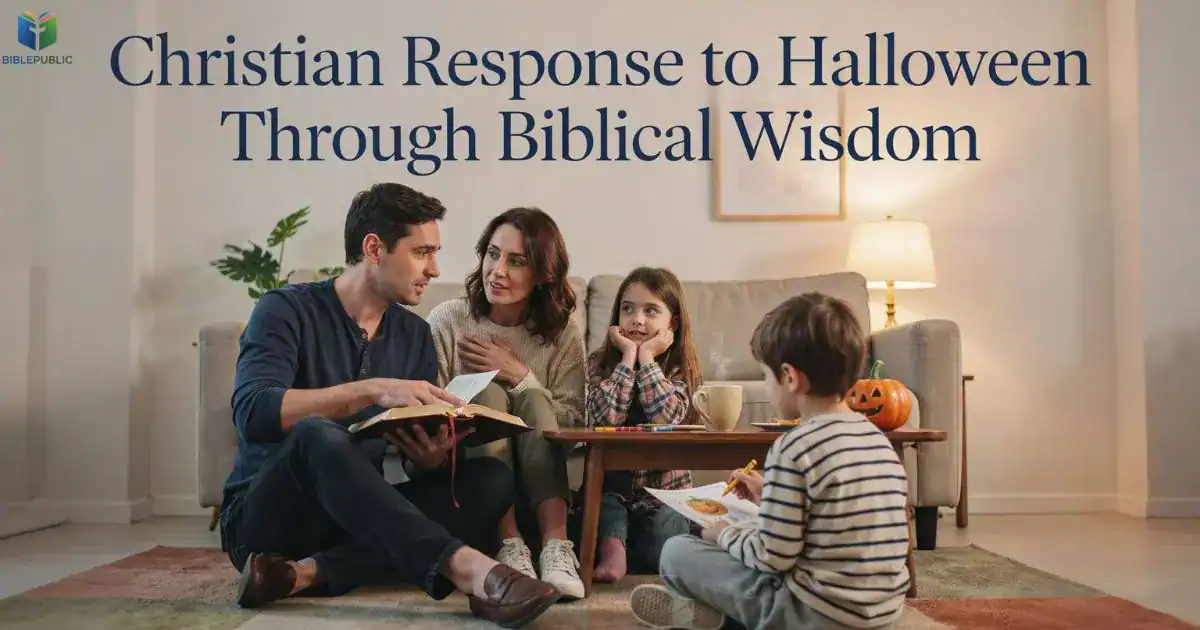
Families may need to make decisions together about Halloween, particularly when parents and children have different perspectives. A Christian family can begin by discussing its biblical values honestly rather than making decisions solely from fear, peer pressure, or cultural expectations.
Parents have an important responsibility to guide their households toward wisdom and godly character. That guidance can involve prayer, clear reasoning, consistency, and age-appropriate explanation. Children benefit when parents explain not only what the family has decided, but why the decision reflects their faith.
Family unity also matters. If family members hold different convictions, the issue should be approached with patience, prayer, and respectful conversation rather than unnecessary conflict. The aim is to establish a household response that can be followed with integrity and a clear conscience.
Families should also consider their Christian witness. Decisions should not be made merely to impress other Christians or avoid criticism. Instead, families can ask whether their choices reflect genuine devotion to Christ and demonstrate grace toward people who reach different conclusions.
Keeping Christ at the Center of Your Halloween Response
The most important part of a Christian response is not winning a debate about Halloween. It is keeping Jesus Christ at the center of the decision. Christians are called to live with wisdom, holiness, love, humility, and a sincere desire to glorify God.
That means neither participating carelessly nor avoiding something merely because of pressure should become the ultimate goal. The deeper goal is faithful obedience. Every decision can become an opportunity to examine motives, strengthen a Scripture-informed conscience, and consider how choices represent Christ.
Colossians 3:17 gives a broad principle for Christian living: “And whatsoever ye do in word or deed, do all in the name of the Lord Jesus.” KJV. This verse is not specifically about Halloween, but its principle reaches into everyday Christian choices.
A mature Christian Response to Halloween begins with Scripture and seeks wisdom before God. Believers can make decisions prayerfully, respect genuine differences in conscience, protect their Christian witness, and keep their attention fixed on Christ rather than cultural pressure.
Conclusion
A faithful Christian Response to Halloween is not about following pressure, fear, or tradition. It is about seeking biblical wisdom and honoring God with a clear conscience. Scripture gives Christians principles for making thoughtful choices while keeping faith, freedom, and personal conviction in the right place.
Take time to pray, study Scripture, and examine your motives before deciding how to respond. Consider your family, your conscience, and your Christian witness. Whatever choice you make, let it reflect your devotion to Christ and bring honor to God in both your actions and attitude each day.
Frequently Asked Questions
What does the Bible say about how Christians should respond to Halloween?
Scripture does not mention Halloween specifically, so a Christian Response to Halloween should apply biblical principles, examine conscience, and choose actions that honor God and strengthen faith.
Should Christians celebrate Halloween according to biblical principles and Christian freedom?
Christians may reach different conclusions because Scripture gives principles about conscience, freedom, and honoring God rather than a direct command about Halloween. Both should seek biblical wisdom.
How can Christians make a wise decision about participating in Halloween?
Christians can study Scripture, examine their motives, consider their conscience, and ask whether participation supports faithful living, family unity, and a clear Christian witness before deciding.
Can Christians disagree about Halloween without compromising their biblical convictions?
Yes, Christians can disagree respectfully because Romans 14 teaches believers to handle disputable matters with conviction, humility, and respect while seeking to honor the Lord together.
What should parents consider when making Halloween decisions for their children?
Parents should consider biblical values, their children’s understanding, their conscience, family convictions, and whether a Halloween activity supports faith, wise choices, and responsible Christian witness.
Does the Bible specifically forbid Christians from celebrating Halloween?
No, the Bible does not specifically name or forbid Halloween; instead, Christians should evaluate related practices through biblical teaching and avoid activities that conflict with Scripture or conscience.
How can prayer and Scripture guide a Christian Response to Halloween?
Prayer and Scripture can bring clarity by helping believers examine motives, seek wisdom, and keep Christ at the center of a Christian Response to Halloween in daily decisions.

Chris Saadil is the founder of BiblePublic.com, where he shares biblical insights to help readers understand God’s Word and grow in faith. His mission is to make Scripture clear, practical, and encouraging through Bible verses, biblical teachings, prayer, and Christian living, helping believers build a deeper relationship with God every day.