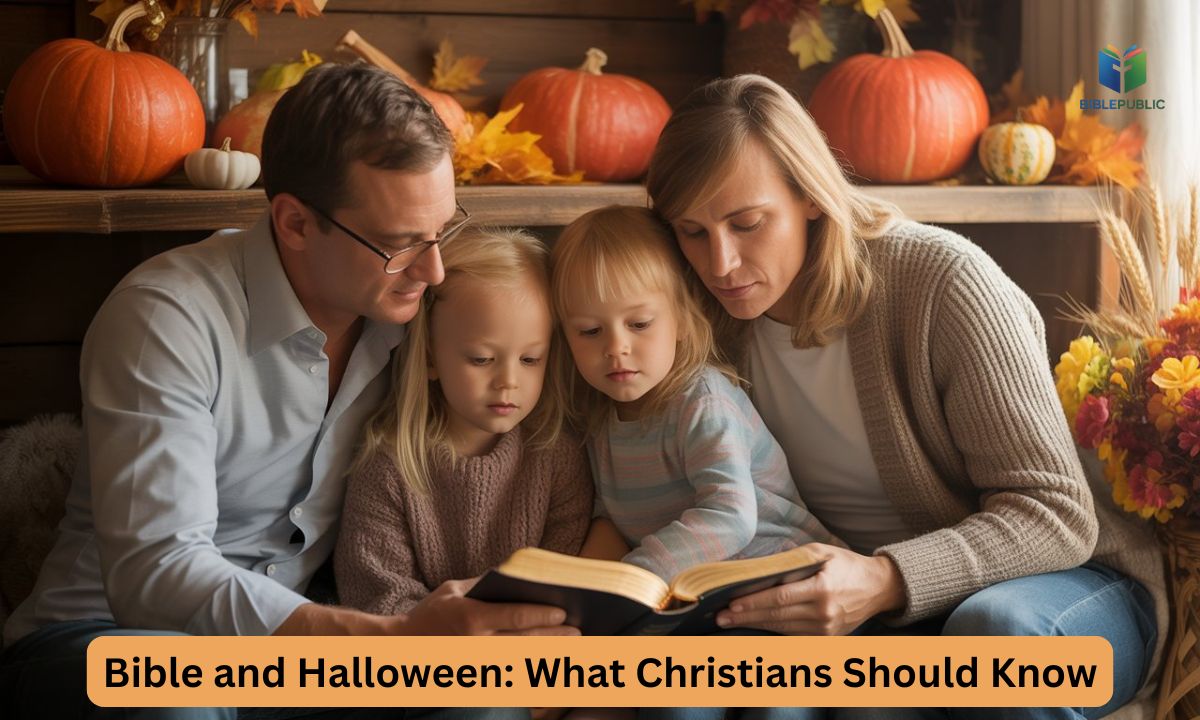
Halloween can raise real questions for Christian families. Is it wrong to celebrate? What does the Bible say about its customs and symbols? The Bible and Halloween discussion can help you look past fear and confusion and understand these questions through Scripture, faith, and Christian discernment.
This guide will help you understand Halloween’s history, biblical teaching, and common concerns about occult practices. You will also find practical guidance for parents and families. Whether you are simply curious or seeking a deeper Christian response, these insights can help you make wise, faith based choices.
What Is Halloween and How Did It Begin?
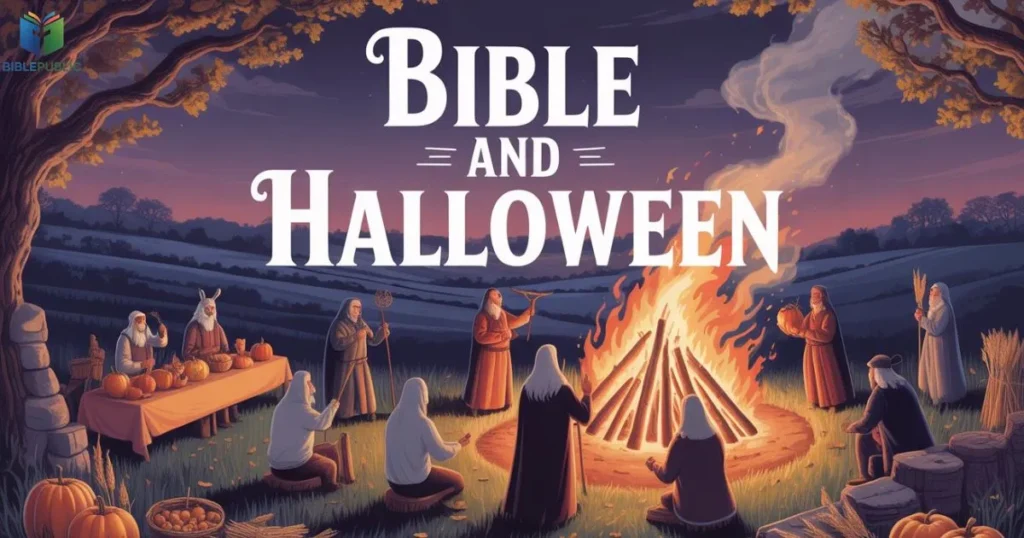
Halloween is celebrated on October 31 and has historical connections to the ancient Celtic festival of Samhain, which marked the end of the harvest season and the beginning of winter. Historical accounts associate Samhain with beliefs about the boundary between the living and the dead becoming less distinct.
Over the centuries, Halloween developed through a mixture of Celtic customs, Christian observances, European traditions, and later American cultural influences. All Saints’ Day became associated with November 1, while the evening before it became known as All Hallows’ Eve, eventually shortened to Halloween.
Understanding this history does not by itself determine whether every modern Halloween activity is sinful. Instead, it gives Christians useful context for evaluating particular customs and deciding how they should respond according to biblical principles and personal conscience.
Learn more biblical perspective in this related study on Christians Respond to Halloween for deeper spiritual clarity and practical application.
Historical Snapshot
| Era | Event | What Happened |
| Ancient Celtic period | Samhain | Samhain marked the end of the harvest and the beginning of winter. Ancient traditions included bonfires, costumes, and beliefs concerning spirits and the dead. |
| 7th–9th centuries | All Saints’ Day | Christian observances honoring saints and martyrs became associated with November 1. By the ninth century, these observances had spread into Celtic regions and interacted with older local traditions. |
| Medieval period | All Hallows’ Eve | The evening before All Saints’ Day became known as All Hallows’ Eve, a name that eventually developed into Halloween. |
| 18th–19th centuries | Halloween in America | Irish and Scottish immigrants helped bring Halloween customs to the United States, where traditions continued to develop within American culture. |
| Modern era | Secular Halloween | Halloween became increasingly associated with costumes, candy, decorations, parties, and community activities, although older symbols and traditions remain part of its cultural history. |
Halloween traditions changed substantially over time. Trick-or-treating, for example, has multiple historical influences, including medieval customs and later American practices, so it is too simplistic to describe it as a direct continuation of offerings made to spirits.
From its historical beginnings to its modern American form, Halloween has developed into a largely cultural and commercial occasion. Christians can therefore learn its history without assuming that every modern activity has the same spiritual meaning or historical origin. make informed choices about participation.
Does the Bible Mention Halloween?
No, the Bible does not mention Halloween by name. Halloween developed centuries after the biblical books were written, so Scripture does not directly command Christians to celebrate it or specifically prohibit the holiday itself.
Instead, Christians can evaluate Halloween through biblical principles. Scripture clearly warns against witchcraft, divination, sorcery, and occult practices (Deuteronomy 18:10-12), while also calling believers to walk in the light, reject evil, and exercise wisdom. The Bible also teaches principles concerning conscience and Christian freedom, particularly in Romans 14.
This distinction matters. A modern Halloween activity such as eating candy, attending a neighborhood event, or wearing a non-occult costume is not automatically the same as practicing witchcraft. Christians should examine the specific activity, its meaning, its influence, and their conscience before God.
A helpful question is not simply, “Is Halloween biblical?” but rather, “Does this particular activity honor Christ, conflict with biblical teaching, or create a spiritual compromise for me or my family?”
What the Bible Says About Darkness, Evil, and Temptation
The Bible clearly teaches believers to reject occult practices, spiritual deception, and deliberate participation in evil. Deuteronomy 18:10–12 specifically warns against practices such as divination, sorcery, witchcraft, and consulting mediums. Christians should therefore avoid Halloween activities that intentionally imitate, promote, or participate in occult practices.
At the same time, Christians should distinguish between occult practices and fictional or cultural imagery. A costume, decoration, or story does not automatically mean that someone is practicing the spiritual activity it represents. The biblical issue is whether a person is actually participating in something Scripture condemns or allowing harmful influences to shape their faith and conduct.
Jesus said in John 8:12, “I am the light of the world. Whoever follows me will never walk in darkness, but will have the light of life.”
A Biblical Example of Discernment
Daniel lived within a culture that did not share his commitment to God, yet he remained faithful without compromising his convictions (Daniel 1). His example shows that believers can live within a surrounding culture while carefully considering which practices they should accept.
Joseph demonstrated moral discernment when he rejected Potiphar’s wife’s temptation (Genesis 39:7–12). His example reminds Christians that following God sometimes means deliberately refusing something that conflicts with biblical obedience.
Esther demonstrated courage and wisdom when she faced a serious challenge (Esther 4–5). Her story encourages believers to respond to difficult circumstances with courage, wisdom, and dependence on God.
David repeatedly sought God’s guidance throughout his life. Although David was not morally perfect, his relationship with God demonstrates the importance of seeking the Lord rather than relying solely on cultural expectations or personal strength.
Takeaway: These biblical examples teach children and adults to develop discernment, courage, obedience, and faithfulness when navigating cultural practices. Christians do not need to respond to Halloween with either fear or automatic acceptance; they can evaluate it through Scripture and prayer.
Should Christians Celebrate Halloween?

There is no single sentence in Scripture that says, “Christians must celebrate Halloween” or “Christians must never celebrate Halloween.” Because the Bible does not directly address the holiday, believers should apply biblical principles, consider their conscience, and exercise wisdom regarding their families.
Some Christians choose to avoid Halloween completely because they do not feel comfortable with its history, imagery, or particular customs. Others participate in limited social activities while intentionally avoiding occult practices. Still others use the season as an opportunity for church gatherings, harvest celebrations, or family activities centered on faith.
Three Thoughtful Approaches
- Avoid Halloween completely: Some Christians choose not to participate because they believe avoiding the holiday best protects their conscience and keeps their family away from practices they consider spiritually inappropriate.
- Participate selectively: Some families participate in ordinary community activities while avoiding witchcraft, spell-casting, occult rituals, demonic themes, or entertainment that conflicts with their Christian convictions.
- Choose faith-based alternatives: Families may replace Halloween activities with Bible story nights, harvest gatherings, church events, service projects, or other activities that reflect Christian values.
The key issue is biblical discernment rather than fear or pressure. Romans 14 teaches Christians to approach disputable matters with conscience, humility, and respect for other believers. First Corinthians 10:23–24 also reminds believers to consider whether their choices are genuinely beneficial and focused on the good of others. This Christian Biblical Wisdom on Halloween provides a helpful framework for making such decisions thoughtfully.
For Christian families, the goal is not simply to decide whether Halloween is “good” or “bad.” The better approach is to prayerfully evaluate specific activities, their influence on children, and whether participation allows the family to maintain a clear Christian witness.
Modern U.S. Context:
Halloween today is largely social and commercial. In 2025, Americans are expected to spend $13.1 billion on Halloween festivities. The average spending per person is about $114.45, covering:
- Costumes: $4.3 billion
- Decorations: $4.2 billion
- Candy: $3.9 billion
Approximately 73% of Americans plan to celebrate Halloween in some form. Participation includes handing out candy (66%), dressing up (51%), and decorating homes (51%).
Why this matters for Christians:
These figures show that modern Halloween is largely cultural, social, and commercial, rather than spiritual. Understanding the economic and social trends helps families make faith-conscious decisions. Parents can explain to children that fun doesn’t have to involve fear, darkness, or occult symbols, and it is possible to enjoy community celebrations safely while staying true to Christian values.
Mini Insight:
By observing spending patterns and traditions, families can plan safe, educational, and faith-focused activities, teaching children the difference between harmless fun and spiritual compromise.
Faithful and Fun Alternatives to Halloween
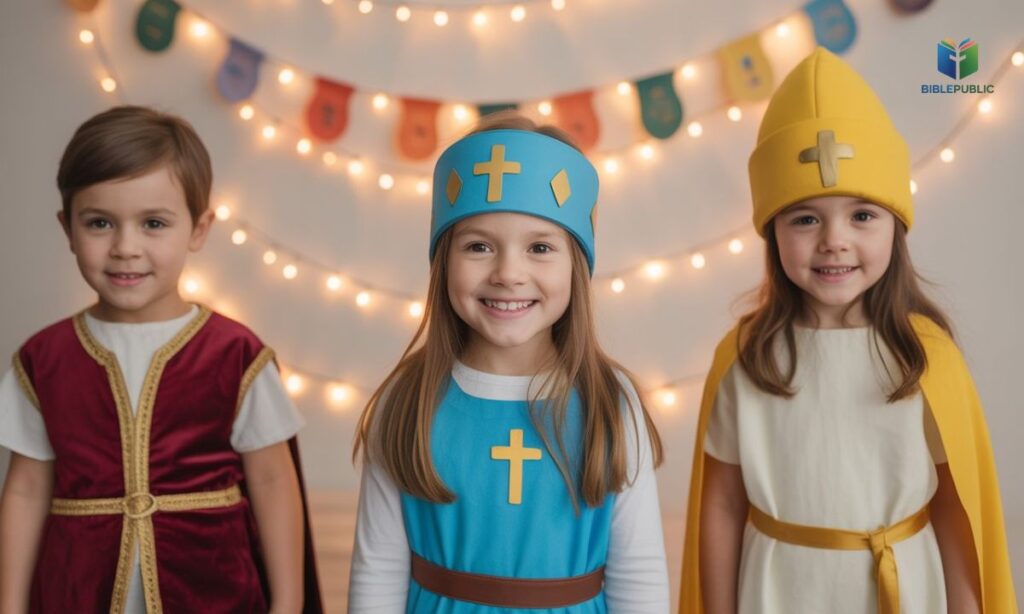
Not all family fun has to involve witchcraft, ghosts, or occult themes. Christians can celebrate the season safely and joyfully by focusing on faith-based alternatives that teach children about God’s light and goodness. These activities also help families create meaningful traditions without fear or darkness.
Bible Story Costume Nights:
Children can dress as heroes of faith, such as Daniel, Esther, David, or Deborah. This not only makes celebrations fun but also introduces lessons from the Bible about courage, obedience, and trust in God. Kids learn that true heroism comes from following God’s guidance, not from scary or dark themes.
Light Parties:
Families can host community gatherings that celebrate God’s light, rather than darkness. These parties focus on games, songs, and creative decorations that emphasize light vs darkness, reinforcing biblical teachings about spiritual vigilance and God’s protection.
Harvest Festivals:
Seasonal harvest celebrations provide a chance to enjoy fall decorations, crafts, and seasonal foods, combined with prayers of thanksgiving. Children can learn about gratitude, God’s provision, and the blessings of creation, turning the autumn season into a faith-centered experience.
Prayer & Reflection Nights:
Families can spend quiet evenings together reading scripture, praying, and reflecting. These nights strengthen family bonds, teach children how to rely on God for protection and guidance, and provide a meaningful alternative to the typical Halloween excitement.
Why These Alternatives Work:
- They maintain the fun and excitement of the season without introducing occult or demonic themes.
- Children learn faith-based lessons while participating in creative, social activities.
- Families create lasting traditions that focus on God’s light, safety, and biblical teachings.
By choosing faithful and fun alternatives to Halloween, families can protect their children spiritually, enjoy the season responsibly, and still participate in community celebrations. These activitiFamilies who prefer not to participate in traditional Halloween activities can still enjoy the season through meaningful, joyful alternatives. These activities can provide opportunities for fellowship, creativity, gratitude, Scripture, and family connection without requiring participation in occult-themed traditions.
Bible Story Costume Nights
Children can dress as heroes of faith, such as Daniel, Esther, David, Deborah, or Ruth. Parents can use each costume as an opportunity to discuss courage, obedience, faith, and trust in God.
Light Parties
Families and churches can host gatherings centered on God’s light, fellowship, games, worship, songs, and age-appropriate activities. These events can give children a positive alternative while reinforcing biblical teaching about walking in the light.
Harvest Festivals
Seasonal harvest celebrations can include food, crafts, games, family fellowship, and prayers of thanksgiving. They provide an opportunity to teach children about gratitude, God’s provision, and the goodness of creation.
Prayer and Scripture Nights
Families can spend an evening reading Scripture, praying together, sharing testimonies, and discussing how Christians can make wise decisions in a culture that does not always share their beliefs.
Why These Alternatives Work
- They provide enjoyable family and community experiences without requiring occult-themed activities.
- They create opportunities to teach children biblical values through practical experiences.
- They encourage fellowship, gratitude, creativity, and spiritual growth.
- They help parents establish meaningful family traditions centered on Christ.
The goal is not simply to replace one holiday with another activity. It is to create an environment where children can experience joy, community, faith, and belonging while learning to make wise choices.es help children see God’s presence in every celebration, teaching them the difference between harmless fun and spiritual compromise.
How to Talk to Children About Halloween in a Christian Way
Halloween can raise questions for children, particularly when they encounter witches, ghosts, demons, frightening decorations, or supernatural stories. Parents can use these moments as opportunities for calm, age-appropriate conversations about biblical truth rather than creating unnecessary fear.
Spirits and Ghosts
Parents can explain that fictional ghosts and supernatural characters appearing in Halloween entertainment are different from the Bible’s teaching about spiritual beings. Scripture does teach about angels, demons, and spiritual realities, so Christians should not dismiss the entire spiritual realm as imaginary.
At the same time, children do not need to live in fear. Parents can teach them to trust God, pray, and remember that their security comes from the Lord rather than from costumes, decorations, or cultural superstitions.
Witchcraft and Demons
Children should understand that witchcraft, spell-casting, divination, and occult practices are treated seriously in Scripture. Deuteronomy 18:10–12 gives clear warnings about such practices.
Parents can explain the difference between pretending to be a fictional character and intentionally participating in occult practices, while still setting family boundaries around entertainment and activities they consider inappropriate.
Fun vs. Fear
Help children distinguish between ordinary seasonal fun and activities that glorify fear, violence, occultism, or evil. Bible-inspired costumes, positive characters, animals, sports, and creative themes can allow children to enjoy dressing up without focusing on frightening or spiritually troubling imagery.
Practical Tips for Parents
- Start with questions: Ask children what they have seen, heard, or been invited to do.
- Explain biblical boundaries: Tell them clearly why your family accepts some activities and avoids others.
- Avoid unnecessary fear: Teach biblical truth without suggesting that every costume or decoration represents a spiritual threat.
- Offer positive alternatives: Give children enjoyable choices rather than simply saying “no.”
- Model discernment: Show children how you evaluate cultural practices through Scripture, prayer, wisdom, and conscience.
Why This Matters
The goal is to raise children who can think biblically rather than simply react culturally. As children mature, they need to understand not only what their family chooses but also the biblical principles behind those decisions..
Bible Verses That Bring Courage and Light
Memorizing and reflecting on scripture equips children and adults to navigate Halloween safely, understanding God’s protection, light, and power over darkness. These verses help families focus on faith rather than fear, while reinforcing biblical principles in daily life.
Walk in God’s Light (John 8:12)
Jesus said, “I am the light of the world. Whoever follows me will never walk in darkness, but will have the light of life.”
This verse reminds children that God’s light guides them, even in situations associated with darkness or fear. Dressing up or participating in celebrations can be framed around God’s light and joy, not darkness or evil.
Reject Darkness and Occult Practices (Ephesians 5:8)
“For you were once darkness, but now you are light in the Lord. Walk as children of light.”
This teaches children and adults to avoid occult influences, witchcraft, and demonic symbolism, making clear distinctions between harmless fun and spiritual compromise. Parents can explain that being a child of light means making faith-based choices, even during cultural celebrations.
Overcome Evil by Doing Good (Romans 12:21)
“Do not be overcome by evil, but overcome evil with good.”
This verse emphasizes that positive actions and godly behavior can counteract negative influences. Children can be encouraged to focus on kindness, prayer, and creative alternatives instead of fear or darkness-themed activities.
Practical Applications for Families:
- Memorize together: Make learning these verses a family activity through songs, games, or repetition.
- Use during celebrations: Refer to these scriptures when discussing costumes, decorations, or parties, framing decisions around God’s guidance.
- Teach courage and discernment: Help children understand that trusting God provides strength and protection in any cultural or social setting.
These verses equip children to enjoy community celebrations safely, make faithful choices, and experience tScripture gives Christians principles for responding to darkness, temptation, spiritual deception, and cultural pressure. These passages can help families focus on Christ rather than fear while developing biblical discernment.
Walk in God’s Light – John 8:12
Jesus said, “I am the light of the world. Whoever follows me will never walk in darkness, but will have the light of life.”
This verse directs believers toward Christ as their source of light and guidance. It can help families keep their attention on Jesus rather than allowing Halloween imagery or cultural pressure to control their decisions.
Walk as Children of Light – Ephesians 5:8
“For you were once darkness, but now you are light in the Lord. Live as children of light.”
Ephesians 5:8 encourages Christians to live consistently with their identity in Christ. In the context of Halloween decisions, it can remind families to examine whether an activity reflects the values they want to cultivate.
Overcome Evil With Good – Romans 12:21
“Do not be overcome by evil, but overcome evil with good.”
This verse emphasizes a positive Christian response. Instead of responding to cultural practices only through fear or condemnation, believers can demonstrate goodness, love, wisdom, hospitality, and faithfulness.
Practical Applications for Families
- Read Scripture together: Discuss relevant passages before making family decisions.
- Pray for wisdom: Ask God to help your family recognize what is beneficial and what should be avoided.
- Teach discernment: Help children understand why certain practices fit—or do not fit—with your Christian convictions.
- Respect other believers: Remember that Christians may reach different conclusions about cultural practices while seeking to honor Christ.
These verses provide a biblical foundation for approaching Halloween with faith, wisdom, courage, and discernment rather than unnecessary fear.he season with confidence. They also provide a foundation for spiritual discernment, teaching that God’s light is stronger than fear, darkness, or evil influences.
Conclusion
Understanding the Bible and Halloween helps Christians look at this holiday with wisdom instead of fear. Scripture does not mention Halloween directly, but it gives clear guidance about occult practices, Christian freedom, conscience, and walking in God’s light. These principles can help families make thoughtful choices that fit their faith and values.
Take time to pray, read the relevant Bible verses, and talk openly with your family about Halloween traditions. Consider which activities honor Christ and which ones you should avoid. Whether you choose to participate, limit certain activities, or choose a faith based alternative, let Scripture, wisdom, and love guide your decision.
Frequently Asked Questions
What does the Bible teach about Halloween traditions today?
The Bible warns believers about darkness, witchcraft, and spiritual deception. Christians are encouraged to walk in God’s light and use biblical discernment when understanding cultural practices.
Is Halloween safe for Christian families and children?
The focus keyword Bible and Halloween helps families study scripture and make faith based choices. Some avoid it completely, while others choose safe, light focused alternatives.
What is expert opinion on Christians and Halloween participation?
Most Christian leaders agree that participation depends on conscience and biblical understanding. Experts suggest focusing on spiritual awareness, prayer, and avoiding occult related themes.
What Bible verse helps guide Halloween decisions clearly?
Ephesians 5:8 reminds believers to walk as children of light, not darkness. It teaches Christians to avoid spiritual confusion and choose faith centered living.
Why do some Christians avoid Halloween completely?
Some believers feel uncomfortable with its historical roots and symbolic elements. The Bible and Halloween discussion helps them choose prayer, church events, and family centered alternatives instead.
What are Christian alternatives to Halloween celebrations?
Faith based options include Bible story nights, harvest festivals, and church gatherings. These activities encourage joy, community bonding, and learning God centered values safely.
How should Christian parents explain Halloween to children?
Parents should teach children using simple Bible stories about light, courage, and truth. This builds spiritual understanding and heDoes the Bible say that Halloween is sinful for Christians?
No, the Bible does not directly call Halloween sinful, but it clearly warns against witchcraft, divination, and occult practices in Deuteronomy 18:10–12, which Christians should avoid.
What does the Bible say about Halloween traditions and costumes?
The Bible does not address Halloween costumes directly, so Christians should evaluate them by considering whether they promote occult practices, evil, fear, or biblical values.
Can Christians celebrate Halloween without compromising their faith?
Yes, some Christians participate in ordinary community activities while avoiding occult themes and practices, using wisdom, conscience, prayer, and biblical principles to guide their choices.
Why do some Christians believe Halloween has pagan roots?
Some Christians avoid Halloween because of its historical connections with Samhain and later traditions, although modern Halloween has also developed into a largely secular cultural celebration.
How can Christian parents explain Halloween to their children?
Christian parents can explain Halloween calmly, teach biblical discernment, discuss occult practices honestly, and help children choose activities that reflect their family’s faith and values.
What Bible verses can help Christians make Halloween decisions?
John 8:12, Ephesians 5:8, Romans 12:21, and Deuteronomy 18:10–12 provide biblical principles about light, goodness, spiritual discernment, and avoiding occult practices.
How can the Bible and Halloween discussion help Christian families?
The Bible and Halloween discussion helps families understand what Scripture actually teaches, separate cultural traditions from occult practices, and make thoughtful decisions guided by faith, conscience, and love.lps them avoid fear based or confusing cultural influences.

Chris Saadil is the founder of BiblePublic.com, where he shares biblical insights to help readers understand God’s Word and grow in faith. His mission is to make Scripture clear, practical, and encouraging through Bible verses, biblical teachings, prayer, and Christian living, helping believers build a deeper relationship with God every day.