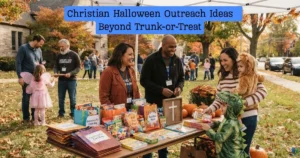
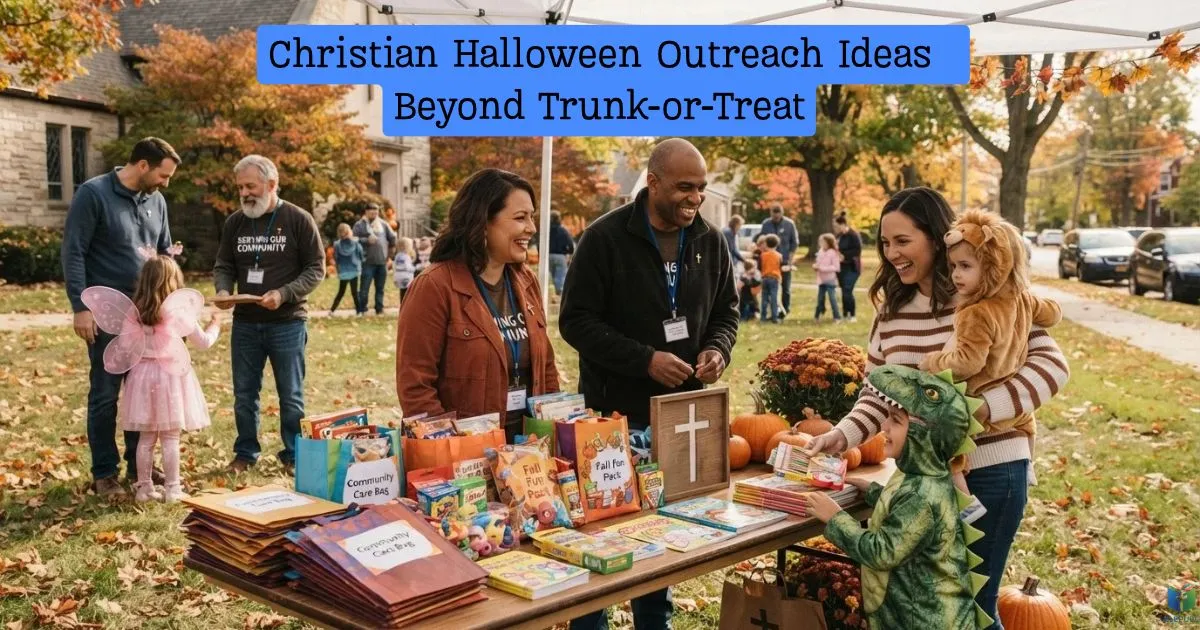
Halloween can be an opportunity for churches to serve their neighbors and build meaningful relationships. Christian Halloween Outreach Ideas offer practical ways to share kindness beyond trunk-or-treat, from meeting local needs to welcoming families through simple community activities.
Whether your church has a small budget or a team of volunteers, you can choose an outreach activity that fits your resources and community. This guide explores practical ideas, event planning tips, and budget-friendly supplies to help you serve others with Christian love and respect.
Practical Christian Halloween Outreach Ideas for Your Community
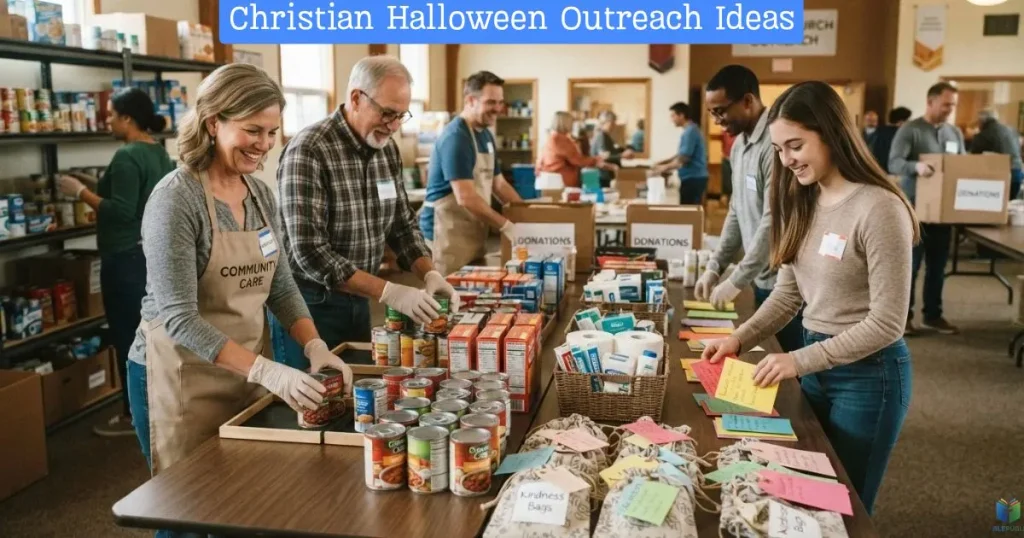
Halloween can provide an opportunity for churches to connect with people who may not regularly attend church. Outreach does not need elaborate decorations or expensive events. Simple activities that respond to local needs can help build trust and offer meaningful support. Galatians 6:10 encourages believers to do good to all when they have the opportunity, while giving particular attention to the household of faith. This principle provides a biblical foundation for serving neighbors with generosity and care.
Organize a Community Food or Essentials Drive
A food or essentials drive helps local families access items they need. Before collecting donations, contact a food pantry, shelter, or community organization to ask which supplies are most useful. Depending on local needs, requested items might include canned goods, rice, pasta, diapers, toiletries, or laundry detergent.
Set up a clearly labeled collection point and share a list of requested items with church members and neighbors. Coordinate delivery with the receiving organization, including its packaging requirements and drop-off schedule. This approach reduces waste and helps ensure that donations meet actual needs rather than relying on assumptions about what families require.
Deliver Kindness Bags to Local Families
Kindness bags offer a simple way to encourage families during the Halloween season. Fill them with practical items such as pencils, coloring sheets, tissues, small household essentials, or individually packaged snacks. A short encouragement card may also be included. If you add Scripture or a church invitation, make sure the message is welcoming and does not imply that assistance depends on religious participation.
Work with a school, community center, or family support organization to identify appropriate recipients and arrange distribution. Check age suitability, food allergies, and any relevant policies. Give each bag freely, without expecting recipients to attend church, accept prayer, or respond to a religious message.
Host a Free Community Meal
A free community meal gives neighbors a welcoming place to eat and connect. Churches might offer soup and bread, a simple dinner, or a family-friendly meal before other seasonal activities. Make the invitation clear: everyone is welcome, regardless of church membership, income, or religious background.
Plan food quantities, serving roles, seating, and cleanup before the event. Follow applicable food-safety requirements and label common allergens. Volunteers can welcome guests without making prayer or worship a condition of receiving food. Romans 12:13 (KJV) encourages believers to be “given to hospitality,” a principle that supports generous and considerate care for others.
Visit and Encourage Seniors in the Community
Some older adults may appreciate companionship, especially when family members live far away or opportunities for social contact are limited. Churches can arrange visits to senior centers, assisted-living facilities, or the homes of seniors who have requested contact. Volunteers might bring handwritten cards, approved seasonal gifts, or simply spend time listening.
Coordinate every visit in advance and follow facility policies, visitor requirements, and individual preferences. Do not assume that every senior celebrates Halloween or welcomes religious conversation. When a person is comfortable with it, volunteers may share a Scripture passage or offer prayer. Respectful listening and companionship should remain central to the visit.
Create a Fall Family Fun Day
A fall family fun day offers seasonal activities for households seeking a welcoming alternative to traditional Halloween celebrations. Churches can draw on biblical wisdom for approaching Halloween when choosing activities such as pumpkin decorating, crafts, scavenger hunts, outdoor games, or face painting. Choose activities for different ages and abilities, and provide a clear schedule so families know what to expect.
Plan safe activity areas, suitable supervision, and clear procedures for children’s participation. Consider accessibility, sensory needs, and mobility limitations when choosing activities and arranging the venue. If the event includes a Bible story, devotional, or prayer, disclose that in the invitation. This allows parents to make informed decisions and helps the church welcome families without pressuring them to participate in religious activities.
Prepare Appreciation Bags for Community Helpers
Churches can thank community helpers, including firefighters, sanitation workers, school staff, and emergency personnel, with appreciation bags or handwritten notes. Depending on workplace policies, suitable items might include individually packaged snacks, bottled water, or simple thank-you cards. The purpose is to express gratitude, not to seek special treatment or recognition.
Contact each organization before arranging a delivery. Some workplaces restrict gifts, homemade food, or unannounced visits, so ask what is permitted and schedule a suitable drop-off time. First Thessalonians 5:18 (KJV) instructs believers to give thanks in every circumstance. A sincere note of appreciation can put that principle into practice.
Distribute Encouragement Cards with Scripture
Scripture encouragement cards can share messages of hope, peace, kindness, or comfort with neighbors and community workers. Choose a passage that fits the intended message, include its Bible reference, and add a brief personal note. For example, Romans 15:13 (KJV) speaks of joy, peace, and hope through believing.
Keep the wording considerate and avoid suggesting that a Bible verse will automatically resolve someone’s hardship. Some recipients may welcome Scripture, while others may not share the same beliefs. Distribute cards where permission is granted, and make sure the message offers encouragement without judgment or pressure.
Organize a Neighborhood Kindness Project
A neighborhood kindness project brings church members together to meet a practical local need. Possible projects include cleaning an approved public area, helping a neighbor with yard work, collecting winter supplies, or assembling care packages requested by a community organization. Choose an activity that fits the volunteers’ abilities and addresses a need identified by local residents or service providers.
Confirm permissions, assess safety, and assign responsibilities before beginning. Provide appropriate equipment for cleanup or outdoor work, and arrange responsible disposal of collected waste. Ephesians 4:32 (KJV) urges believers to be “kind one to another.” Practical service can express that principle through helpful actions rather than words alone.
Host a Family Game and Fellowship Night
A family game and fellowship night gives neighbors a relaxed setting to connect. Churches can provide board games, team challenges, simple crafts, and refreshments. This can be especially suitable for families who prefer an indoor activity or want a seasonal gathering that does not center on trick-or-treating.
Select activities for different ages and abilities, and explain the schedule in advance. If the event includes a devotional, prayer, or other Christian activity, mention it in the invitation. Welcome guests without pressuring them to join a church or take part in activities outside their comfort level. A friendly, well-organized gathering can encourage genuine relationships.
Offer a Community Prayer and Encouragement Station
A prayer and encouragement station allows visitors to request prayer, receive a Scripture card, or speak with a church volunteer. It can be set up at a community event or inside the church during a fall gathering. Use a visible sign to explain what is offered so visitors can decide whether to approach.
Always ask permission before praying with someone and respect requests for privacy. Volunteers should listen compassionately, avoid collecting unnecessary personal information, and never promise a specific outcome. If a visitor needs food, housing assistance, or another practical service, provide information about appropriate local support organizations when possible.
How to Plan a Christian Halloween Outreach Event
Start by identifying the people your church hopes to serve and the needs the event will address. A food drive, senior visit, and family gathering require different preparations. Choose one clear purpose, consult community partners when appropriate, and set a realistic budget before deciding how large the event should be.
Use this planning checklist to organize the outreach:
- Define the purpose: Decide whether the event will provide practical assistance, encourage families, or bring neighbors together.
- Set a budget: Estimate costs for supplies, food, transportation, signs, and any required permits.
- Choose a date and location: Consider accessibility, parking, weather, and competing community events.
- Plan for safety: Address food handling, child supervision, accessibility, and necessary permissions.
- Prepare a backup plan: Consider alternative arrangements for severe weather, cancellations, or other unexpected problems.
- Promote the event clearly: Explain who is welcome, what activities are planned, whether the event is free, and whether registration is required.
- Arrange follow-up: Thank volunteers and partners, distribute remaining donations appropriately, and review what could be improved next time.
Check local requirements and actual costs before finalizing the plan, since permits, venue rules, food handling, and other obligations can vary by activity and location. A successful outreach event does not need to be large. A small, well-organized activity that responds to a genuine need can be more helpful than an ambitious program that stretches the church’s resources. Prioritize meaningful service, clear communication, and responsible planning.
How to Involve Church Volunteers in Halloween Outreach
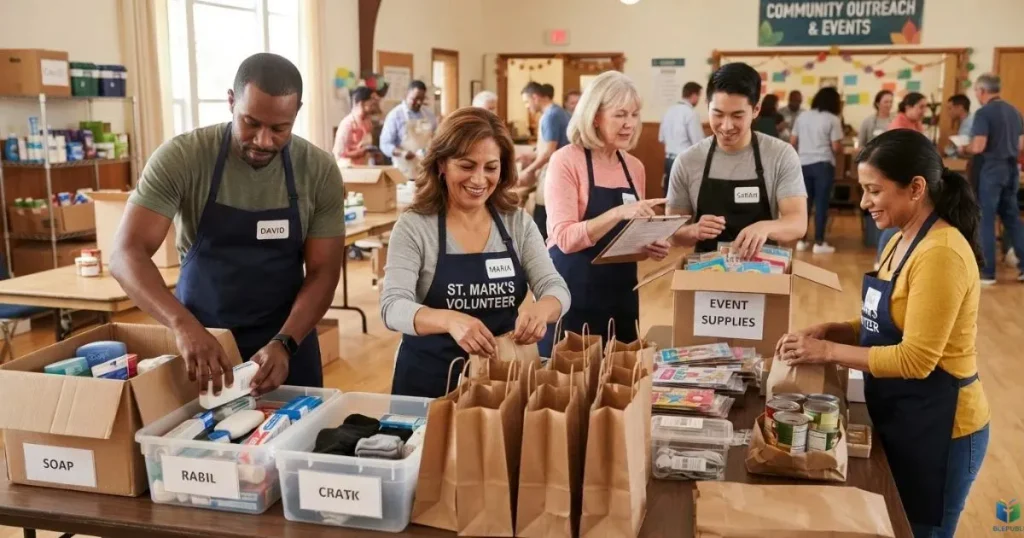
Assign volunteers responsibilities that match their abilities, availability, and interests. Some can welcome visitors, while others prepare supplies, coordinate donations, cook meals, supervise activities, or manage transportation. Clearly defined roles reduce confusion and help volunteers understand how their contributions support the event’s purpose.
Before the event, hold a short meeting to review the schedule, safety procedures, communication expectations, and emergency arrangements. Volunteers working with children or vulnerable adults should follow church safeguarding policies and applicable screening requirements. Anyone handling food should understand relevant hygiene procedures, while those distributing donations should know how to treat recipients respectfully and protect their privacy.
Children and teenagers can help assemble kindness bags, prepare encouragement cards, or organize age-appropriate activities under adult supervision. After the event, thank volunteers and invite practical feedback. Discuss what worked, what could be improved, and whether the activity addressed the intended community need. This review helps the church plan future outreach more effectively.
How to Share Christian Faith Respectfully During Community Outreach
Christian outreach can express faith through practical service, honest conversation, and compassionate conduct. In Matthew 5:16 (KJV), Jesus tells His disciples to let their light shine before others so that people may see their good works and glorify the Father. The passage emphasizes conduct that reflects God; it should not be treated as permission to pressure people into religious participation.
Be transparent about the event’s Christian elements. If an activity includes Scripture, prayer, or a devotional, explain this in advance so visitors can decide whether to participate. Ask permission before praying with someone, listen without judgment, and respect a person’s decision to decline. Food, gifts, and practical assistance should never depend on attending a service, listening to a sermon, or accepting a religious message.
Christians also hold different convictions about Halloween. Some avoid Halloween-related activities, while others participate in community service during the season without endorsing every aspect of the holiday. Romans 14:5–6 (KJV) addresses disagreements among believers about observing particular days and eating certain foods. Paul emphasizes acting with a conscience directed toward the Lord; this passage does not provide a direct ruling on every modern Halloween practice. Churches can explore what Christians should know about Halloween as they evaluate their own convictions and respect others.
The goal is to serve neighbors with integrity rather than treating outreach as a way to secure church attendance. When churches communicate honestly, offer help without conditions, and respect personal choices, their actions can reflect Christian love while preserving the dignity of everyone involved.
Budget-Friendly Supplies for Christian Halloween Outreach
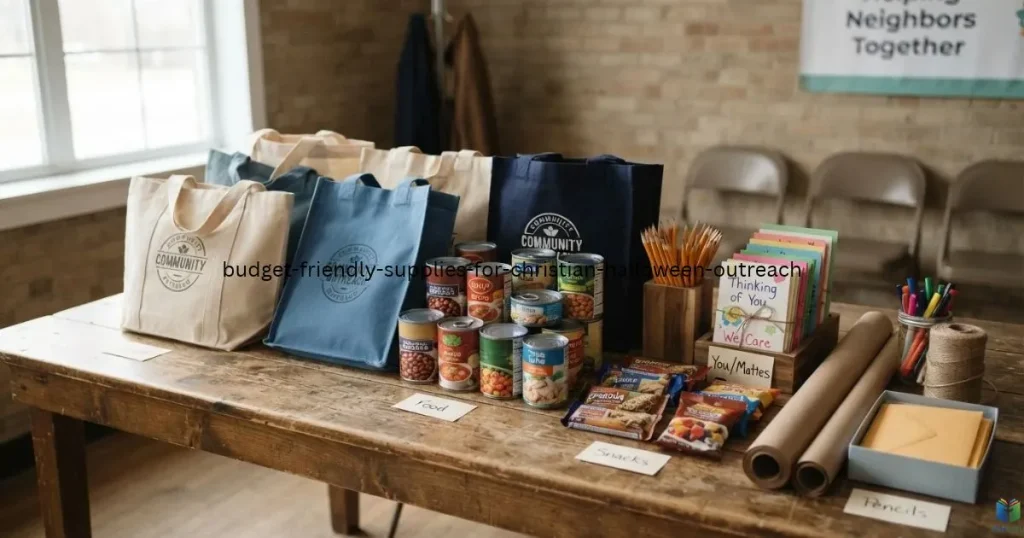
Many Christian Halloween outreach ideas can be organized with donated materials and resources the church already owns. Before purchasing supplies, contact community partners to identify actual needs and invite appropriate donations from church members or local businesses. Borrowing reusable equipment and choosing simple activities can also help control expenses.
| Outreach activity | Budget-friendly supplies |
| Food or essentials drive | Collection boxes, labels, reusable bags, requested pantry items |
| Kindness bags | Paper bags, pencils, coloring sheets, packaged snacks |
| Community meal | Donated ingredients, serving supplies, ingredient labels |
| Senior visits | Handmade cards, stationery, approved small gifts |
| Fall family fun day | Donated craft materials, reusable games, paper decorations |
| Appreciation bags | Thank-you cards, packaged snacks, permitted gifts |
| Scripture encouragement cards | Cardstock, pens, envelopes, printed KJV verses |
| Neighborhood kindness project | Work gloves, trash bags, basic cleanup supplies |
| Family game and fellowship night | Borrowed board games, reusable activities, donated refreshments |
| Prayer and encouragement station | Small table, sign, pens, cards, KJV Scripture passages |
Control costs by setting a spending limit, reusing decorations and games, and printing only the materials needed. For food-related activities, check ingredients, common allergens, storage requirements, and applicable food-safety rules. Confirm whether transportation, accessibility arrangements, cleaning, waste disposal, or permits will add to the final cost.
Choose supplies according to the event’s purpose rather than buying items simply because they fit the season. Practical, well-planned outreach can make a meaningful difference without requiring a large budget. When churches respond to real community needs with generosity, careful preparation, and respect, even a modest activity can become an opportunity to serve others in a distinctly Christian spirit.
Conclusion
Christian Halloween Outreach Ideas Beyond Trunk-or-Treat can help churches serve their communities through kindness, practical support, and meaningful connections. From food drives to family activities, simple outreach can reflect Christian love without requiring a large budget. When churches focus on real needs and respect different beliefs, they can build trust and share their faith through caring actions.
Start by choosing one outreach idea that fits your church’s resources and your community’s needs. Invite volunteers, plan a small budget, and communicate clearly about the event. Make every activity welcoming, safe, and free from pressure to participate in religious practices. Even one thoughtful act of service can encourage a neighbor and make a lasting difference.
Explore More Ways to Serve and Encourage Your Community
Christian outreach can extend beyond a single Halloween event. The following resources offer additional inspiration for church activities, biblical teaching, and faith-based encouragement. Explore these ideas to strengthen community connections, support families, and help people of different ages grow in their understanding of Christian values while keeping kindness, respect, and service at the heart of your outreach.
15 Christian Trunk-or-Treat Ideas for Churches
Parables of Jesus for Kids: Simple Lessons That Teach God’s Love
60 Powerful Short Bible Messages for Youth to Strengthen Faith
Frequently Asked Questions
What are some Christian Halloween outreach ideas beyond trunk-or-treat?
Churches can organize food drives, kindness bags, free community meals, senior visits, fall family activities, and Scripture encouragement cards to serve neighbors and build meaningful relationships.
How can churches share the gospel during Halloween outreach without offending others?
Churches can explain the Christian purpose of an event, invite rather than pressure guests, and let people decline prayer or religious activities without losing access to help.
What does the Bible say about serving others in the community?
Galatians 6:10 (KJV) urges believers to do good to all when they have opportunity, while giving special attention to fellow believers. This supports practical community service.
Can Christians participate in Halloween outreach if they disagree about celebrating Halloween?
Romans 14:5–6 addresses differing convictions about observing particular days. Christians may apply its broader principle of honoring the Lord and avoiding judgment, while recognizing it does not mention Halloween.
How can a small church organize Halloween outreach on a limited budget?
A small church can collect donated food, prepare simple kindness bags, write encouragement cards, or host free family activities using volunteer help and community donations.
How can churches make Halloween outreach welcoming for families with different beliefs?
Churches can welcome every family by explaining the event honestly, providing safe activities, respecting personal beliefs, and ensuring gifts or practical help never depend on religious participation.

Chris Saadil is the founder of BiblePublic.com, where he shares biblical insights to help readers understand God’s Word and grow in faith. His mission is to make Scripture clear, practical, and encouraging through Bible verses, biblical teachings, prayer, and Christian living, helping believers build a deeper relationship with God every day.