

Baby Name Origins help explain where names come from, what they mean, and how they have changed over time. Whether you are choosing a name for your baby or exploring your family history, learning about a name’s roots can make your choice more personal and meaningful.
In this guide, you will explore language origins, name meanings, pronunciation, and cultural traditions. You will also learn how family heritage and faith can shape naming choices, helping you understand the history behind a name and choose one that feels right for your family.
What Are Baby Name Origins?
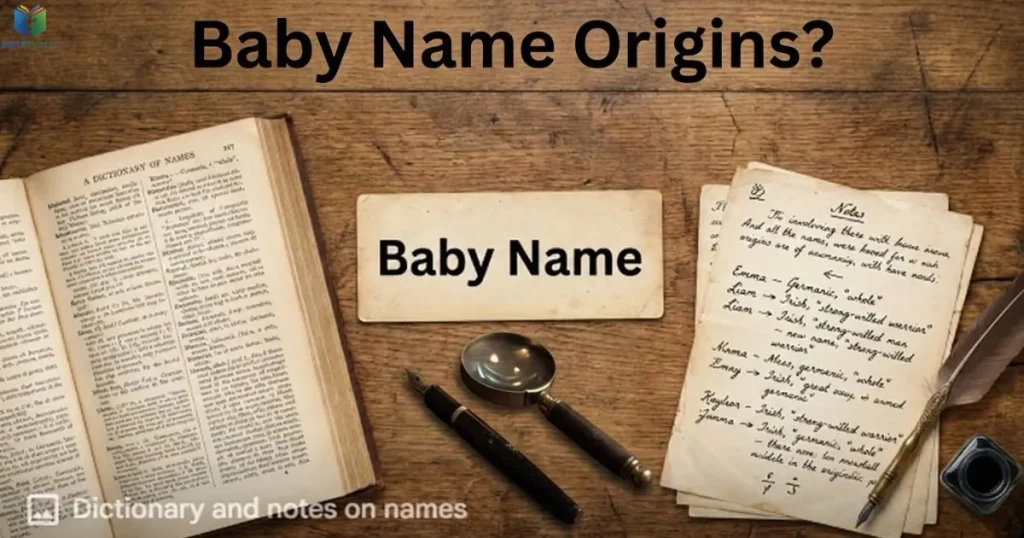
Baby name origins refer to the historical, linguistic, and cultural roots of a name. A name may come from an ancient language, a traditional word, a family surname, a religious text, or a naming custom passed down through generations. Its original form may also change as people adopt it in different regions and languages.
Exploring baby name origins can help you understand more than a name’s commonly reported meaning. You can learn about its language of origin, historical usage, pronunciation, spelling variations, and cultural background. Some names have well-documented histories, while others have uncertain or disputed origins. Recognizing that distinction helps you evaluate name information carefully.
The Name Meanings category brings these topics together, helping you discover the background behind names and explore resources that match your interests. For a broader look at name meanings and their significance, explore Baby Name Meanings, Origins, and Symbolism.
How Names Develop Over Time
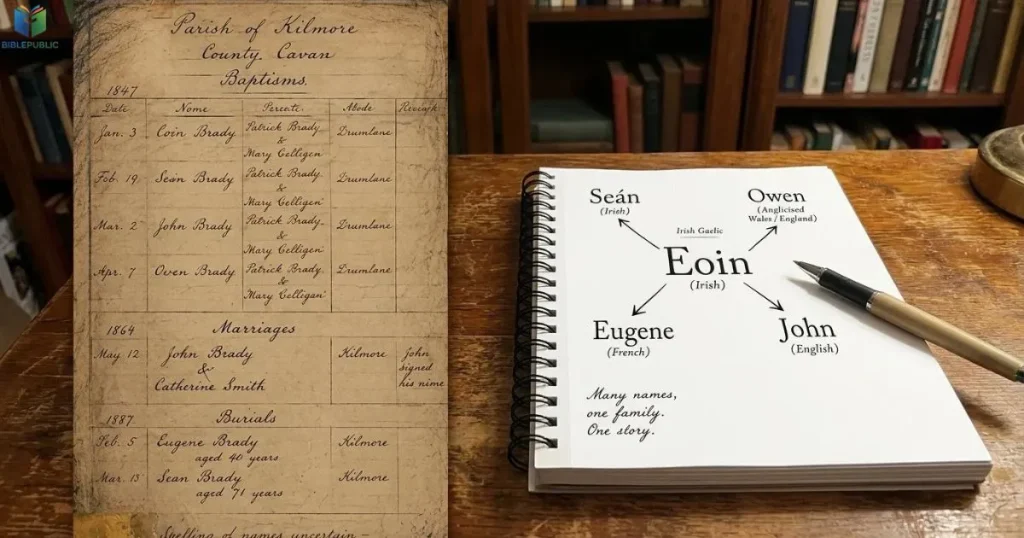
Names change as languages evolve, communities interact, and naming preferences shift across generations. A name that began in one language may be adapted into another, gaining a different spelling or pronunciation while retaining some connection to its earlier form.
Migration, literature, religious traditions, and historical events can also influence how names spread. Some names become widely used beyond their original communities, while others remain closely associated with a particular region or tradition. A name’s popularity may rise or decline over time, and its associations can change as new generations adopt it.
These developments explain why a name may have several recognized forms or different interpretations in modern naming references. Researching its history can help distinguish an older linguistic root from a later adaptation or popular interpretation.
Common Language Origins of Baby Names
Baby names come from many languages, and understanding those linguistic roots can provide useful context for researching their meanings. Some names have connections to ancient languages, while others developed through later European languages or traditions found around the world.
Language of origin does not always determine a person’s cultural identity, religious beliefs, or family background. Names travel across communities, and the same name may be used by people with different histories. The following language groups offer starting points for exploring the broad range of baby name origins.
Hebrew and Aramaic Origins
Hebrew and Aramaic have important places in the history of biblical texts and religious naming traditions. Names associated with these languages may appear in the Hebrew Bible, the New Testament, or later Jewish and Christian traditions. Their forms and pronunciations can vary when transferred between languages.
When researching a name with a Hebrew or Aramaic connection, consider its original spelling, linguistic roots, historical context, and use in relevant texts. A name’s traditional interpretation should be distinguished from its literal linguistic meaning when those are not identical.
Readers interested specifically in biblical names can explore the Biblical Names Meanings category for resources focused on names connected with Scripture and biblical history.
Greek and Latin Origins
Greek and Latin have influenced naming traditions across Europe and beyond. Greek names appear in ancient literature and biblical texts, while Latin influenced naming practices through Roman history, religious institutions, and later European languages.
Some names entered English through Greek or Latin forms, while others developed through multiple stages of linguistic change. As a result, a name’s modern spelling may look quite different from its earliest recorded form.
When researching Greek or Latin origins, look for reliable explanations of the original word or name, its historical usage, and the path through which it entered modern languages. Similar-looking names do not necessarily share the same origin, so linguistic evidence matters more than spelling alone.
Germanic and English Origins
Germanic languages have contributed many names that became established across Europe and later spread to English-speaking communities. Some developed from older name elements associated with concepts such as strength, protection, or leadership, although the interpretation depends on the specific name and its historical form.
English names also come from several sources, including Old English words, surnames, place names, and names adopted from other languages. Some familiar English given names have roots outside England and became common through later cultural or religious influences.
Researching these names involves tracing their earliest known forms and considering how pronunciation, spelling, and usage changed over time. It is also important to distinguish an established historical meaning from a modern association based on how a name sounds.
Other Language Origins
Many baby names have roots in languages and naming traditions beyond Hebrew, Greek, Latin, Germanic, and English. Names may originate in languages spoken across Africa, Asia, the Middle East, the Americas, and other regions. Their meanings and uses can be closely connected to local histories, family customs, or linguistic features.
Some names have multiple possible origins because similar forms developed independently in different languages. Others have been adapted across cultures, making their histories more complex than a single origin label suggests.
When exploring a name from a language or community unfamiliar to you, prioritize sources that explain the original language and cultural context. Avoid assuming that a name has the same meaning everywhere it is used.
How to Research Baby Name Origins

Researching baby name origins starts with identifying the exact name you want to investigate, including its spelling and any known variations. A small difference in spelling can sometimes point to a different linguistic history, so avoid assuming that similar names have identical roots.
Use reliable dictionaries, linguistic references, historical records, and scholarly guidance on personal-name dictionaries to understand how name origins are researched and explained. When a name appears in a religious text, consult the relevant passage for context rather than relying only on a list of meanings.
As you research, consider these questions:
- What is the name’s earliest known form? An older spelling may provide clues about its development.
- Which language does it come from? Look for a clear explanation of the linguistic origin.
- What does the name mean? Check whether the interpretation is literal, traditional, or disputed.
- How has the name changed? Explore variations in spelling, pronunciation, and usage.
- How certain is the information? Distinguish documented evidence from popular explanations that lack clear support.
Comparing multiple credible sources can help identify disagreements or gaps in the available evidence. If the origin remains uncertain, it is better to acknowledge that uncertainty than to present one interpretation as definitive.
Name Origin vs. Name Meaning
A name’s origin and its meaning are related, but they answer different questions. Name origin identifies where a name comes from linguistically or historically. Name meaning explains the word, name element, or traditional interpretation associated with it.
For example, a name may originate in an ancient language and have a meaning connected to a particular word. Its modern use, however, may reflect a religious tradition, a family connection, or an association that developed much later.
The distinction matters because online name lists sometimes present traditional interpretations as exact translations. A name may also have more than one proposed origin, particularly when similar forms appear in different languages.
When choosing a baby name, consider both its origin and its meaning. Understanding the history helps explain how the name developed, while understanding its meaning can help you decide whether it reflects the values or associations you want the name to carry.
How Family Heritage Shapes Name Choices
Family heritage can play an important role in choosing a baby’s name. Parents may select a name to honor a relative, preserve a family surname, continue a naming tradition, or recognize a language spoken by earlier generations. These choices can create a personal connection between a child and the family’s history.
Heritage may also influence pronunciation, spelling, and the forms of a name used within a family. A name that has one familiar form in English may have a different form in another language, and families may choose the version that best reflects their cultural background or everyday preferences.
Religious beliefs can also shape naming decisions. Some families look for names connected with biblical figures, Scripture, or Christian values, while others prioritize linguistic history or family tradition. These approaches can overlap, allowing parents to consider several aspects of a name together. For more faith-centered naming ideas, explore Christian Baby Names for Boys and Girls.
For readers seeking faith-centered naming resources, the Christian Baby Name Meanings category explores names and their meanings from a Christian perspective.
Ultimately, a name does not have to represent every part of a family’s history to be meaningful. Learning about its origins, pronunciation, cultural background, and established interpretations can help parents choose a name that feels appropriate for their child and family.
Conclusion
Baby Name Origins offer more than a definition. They reveal how language, history, and cultural traditions shape the names we use today. Understanding a name’s roots and meaning can help you appreciate its background and make a thoughtful choice that reflects your family’s values, heritage, or faith. It also helps separate historical origins from popular interpretations.
Before choosing a name, explore its origin, pronunciation, and traditional meaning using reliable resources. Compare information from trustworthy references, especially when different sources offer different explanations. Consider how the name connects with your family history and the values you want to celebrate. Taking time to understand these details can help you choose a name with personal meaning that your family will cherish for years to come.
Explore the History and Significance of Baby Names
Understanding baby name origins can help you discover how language, history, and family heritage shape a name’s significance. Exploring additional resources can introduce you to names influenced by religious traditions and historical stories, helping you understand how beliefs and cultural backgrounds shape naming choices as you research names that feel meaningful to your family.
Biblical Baby Name Meanings That Inspire Faith and Blessings
Frequently Asked Questions About Baby Name Origins
What does a baby name’s origin tell you about its history?
A name’s origin can reveal its original language, historical roots, and cultural background. It may also explain how the name’s spelling, pronunciation, and use changed over time.
How can parents find the original meaning of a baby name?
Parents can consult reliable name dictionaries, language references, and historical sources. Comparing several trustworthy references helps distinguish established meanings from popular interpretations that may lack clear evidence.
What is the difference between a name’s origin and its meaning?
A name’s origin describes where it comes from, while its meaning explains the word or idea associated with it. A name’s history and traditional meaning may differ.
Do baby names always have one clear origin and meaning?
No, some names have several proposed origins or interpretations. Similar names may develop independently in different languages, so it is important to consider spelling, history, and reliable evidence.
How does the Bible help readers understand biblical name origins?
The Bible provides context for some names and their significance in Scripture. For example, Matthew 1:21 explains the name Jesus in connection with his mission to save his people from their sins.
How can family heritage help parents choose a meaningful baby name?
Family heritage can guide parents toward names connected with relatives, ancestral languages, cultural traditions, or religious beliefs. Researching a name’s origin and pronunciation can help families make an informed choice.

Chris Saadil is the founder of BiblePublic.com, where he shares biblical insights to help readers understand God’s Word and grow in faith. His mission is to make Scripture clear, practical, and encouraging through Bible verses, biblical teachings, prayer, and Christian living, helping believers build a deeper relationship with God every day.