
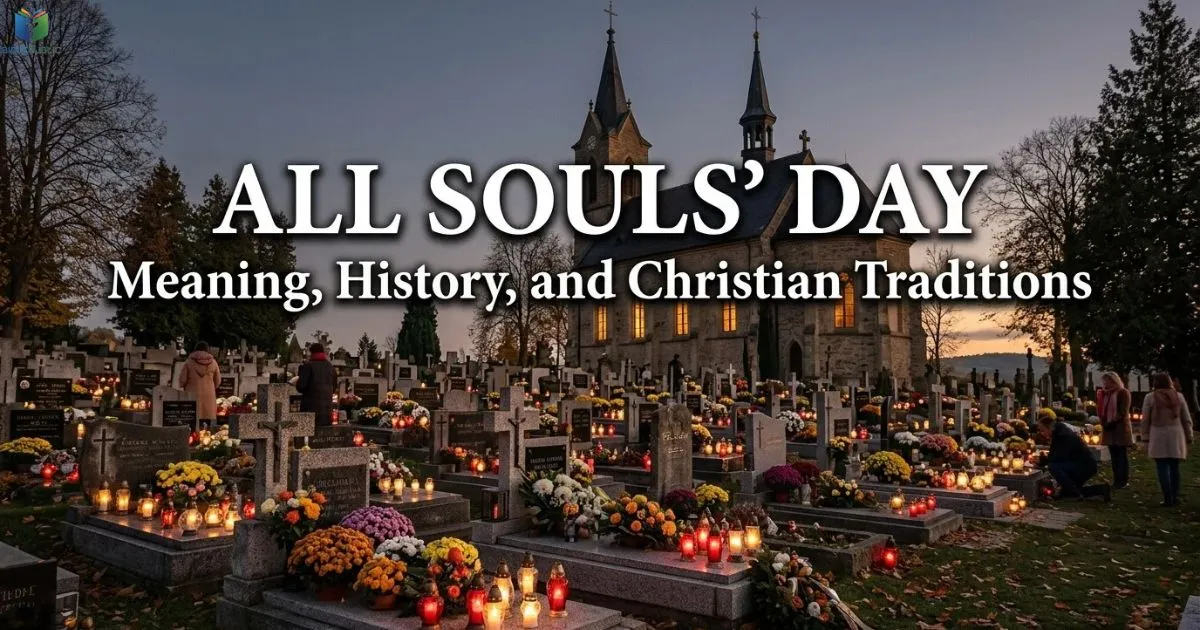
All Souls’ Day is a Christian observance dedicated to remembering those who have died. Observed on November 2 in the Western Christian calendar, it holds special meaning for Catholics who pray for the faithful departed. Many people also use this day to honor loved ones, reflect on life, and find comfort in their faith.
In this guide, you’ll learn about the history and meaning of All Souls’ Day, how Christians observe it, and how it differs from All Saints’ Day. We’ll also explore what the Bible says about death, remembrance, and hope beyond the grave. These insights will help you understand the day’s traditions and their place in Christian belief.
What Is All Souls’ Day?
All Souls’ Day, formally known in the Roman Catholic Church as the Commemoration of All the Faithful Departed, is an annual observance focused on remembering those who have died. In Catholic teaching, All Souls’ Day prayers for the faithful departed are associated with the belief that some souls undergo purification before entering the fullness of heaven. This belief is connected to the Catholic doctrine of purgatory, which many Protestant traditions reject.
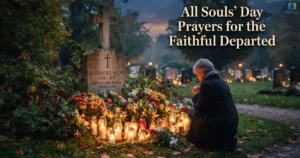
Catholics may attend Mass, pray for deceased relatives, visit graves, light candles, and perform acts of charity. These practices express remembrance and reflect the Catholic belief that the living can pray for the departed. Other Christians may use the occasion to remember loved ones, give thanks for their lives, and reflect on the hope of resurrection without accepting Catholic teachings about purgatory.
Although Christians differ in their understanding of the afterlife and prayer for the dead, many share a desire to honor those who have died. However, remembering deceased loved ones and praying for their souls are distinct practices, and Christian traditions do not agree on the theological meaning of both.
When Is All Souls’ Day Observed?
All Souls’ Day is traditionally observed on November 2 in the Western Christian calendar. It follows All Saints’ Day on November 1, which honors the saints. The two observances are related but have different emphases: All Saints’ Day celebrates the saints, while All Souls’ Day focuses on the faithful departed, particularly in Catholic practice. The United States Conference of Catholic Bishops identifies November 2 as the Commemoration of All the Faithful Departed.
Catholic parishes commonly mark the day with special Masses and prayers. Families may also visit cemeteries, care for graves, and remember deceased relatives. Customs vary by country and community, and not every Christian denomination observes All Souls’ Day as a formal feast.
November 2 is the traditional date in the Western Church, but other Christian traditions have their own calendars and commemorations for the departed. Eastern Orthodox churches, for example, observe designated days of remembrance throughout the liturgical year.
The History and Origins of All Souls’ Day
Christians remembered deceased believers through prayer and commemoration long before All Souls’ Day became a distinct annual observance. Early Christian communities remembered the dead, and different churches gradually developed particular days for commemorating them. The observance now known as All Souls’ Day emerged within the Western Church through this broader history of Christian remembrance.
Its development is commonly associated with Odilo, the abbot of Cluny, a Benedictine monastery in France. Around the turn of the eleventh century, Odilo promoted an annual commemoration of all the faithful departed among the monasteries connected with Cluny. The practice spread to other religious communities and eventually became established more broadly in the Western Church. The exact date of its initial establishment is uncertain, so it is more accurate to describe the observance as a medieval development than as a practice instituted by the apostles.
The observance became closely associated with Catholic teaching about prayer for the dead and purification after death. Catholic theology holds that those who die in God’s grace but remain imperfectly purified undergo a final purification before entering heaven. Many Protestant traditions interpret the relevant biblical passages differently and do not accept purgatory as a doctrine. The Catholic Church explains its position in the Catechism of the Catholic Church.
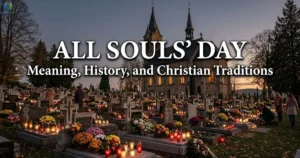
Over the centuries, All Souls’ Day also developed local customs, including cemetery visits, candles, flowers, prayers, and family gatherings. These traditions vary across cultures, but they commonly provide an opportunity to remember deceased loved ones and reflect on death and eternal life.
How Christians Observe All Souls’ Day
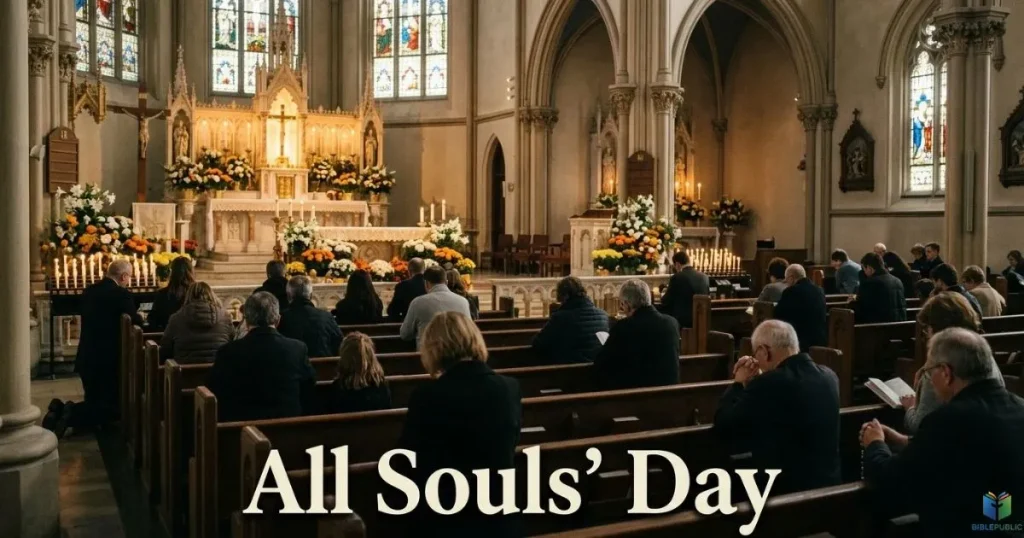
Christians observe All Souls’ Day according to their church traditions and theological beliefs. Some participate in formal worship and pray for the departed, while others focus on remembering loved ones, comforting grieving families, and reflecting on biblical promises concerning resurrection and eternal life.
Catholic All Souls’ Day Traditions
In the Roman Catholic Church, All Souls’ Day is formally known as the Commemoration of All the Faithful Departed. Catholics may attend Mass, pray for deceased relatives, visit cemeteries, and perform acts of charity in their memory. These practices express the Catholic belief that prayer for the departed is an act of Christian love and that the faithful can entrust those who have died to God’s mercy.
Prayer for the dead is closely connected with the Catholic doctrine of purgatory. According to Catholic teaching, purgatory is the final purification of people who die in God’s grace but are not yet fully purified. It is not understood as a second opportunity to choose salvation after death; rather, it concerns those whom the Church believes are ultimately destined for heaven.
Catholics also find hope in Jesus’ teaching about resurrection. In John 11:25–26, Jesus tells Martha, “I am the resurrection, and the life” (KJV). In context, Jesus speaks before raising Lazarus from the dead. His words point to His authority over death and the promise of life through Him, although the passage does not specifically establish All Souls’ Day or its traditions.
Remembrance Practices in Other Christian Communities
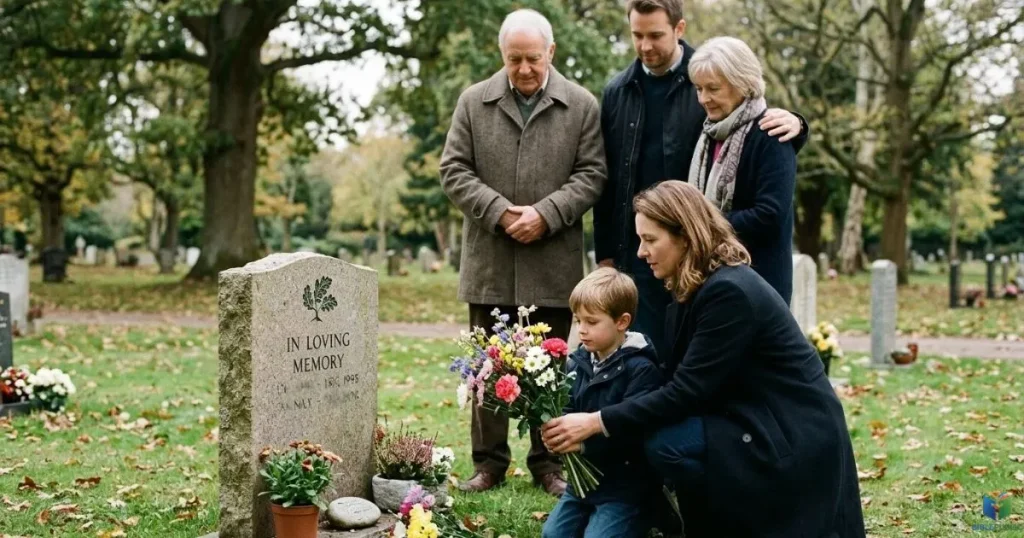
Christian communities outside the Roman Catholic Church may remember the dead without observing All Souls’ Day as a formal feast. Some Anglican and Lutheran congregations hold memorial services, read the names of deceased members, or offer prayers of thanksgiving for their lives. Practices vary among churches, and participation does not necessarily imply agreement with Catholic teaching about purgatory.
Many Protestant churches emphasize biblical promises concerning resurrection and comfort for those who grieve rather than prayers intended to assist the departed. In 1 Thessalonians 4:13–18, Paul encourages grieving Christians not to mourn without hope. He points to Christ’s return and the resurrection of believers to comfort the living. The passage offers hope in Christ but does not prescribe an annual observance for the dead.
Eastern Orthodox Christians also pray for the departed, but their traditions and theological explanations differ from Roman Catholic teaching. Orthodox churches observe particular days of remembrance throughout the liturgical year. Their beliefs about the state of the departed should not automatically be equated with the Catholic doctrine of purgatory.
Across Christian communities, remembrance may include worship, Scripture readings, cemetery visits, family gatherings, and acts of compassion. The central distinction is that Christians may share a desire to remember the dead while disagreeing about whether prayer for the departed is appropriate and how such prayer should be understood.
What Is the Difference Between All Souls’ Day and All Saints’ Day?
All Souls’ Day and All Saints’ Day occur on consecutive days in the Western Christian calendar, but they have different purposes. All Saints’ Day, observed on November 1, honors the saints, including those formally recognized by the Church and the many holy people who are not individually named in its calendar. All Souls’ Day, observed on November 2, commemorates the faithful departed, with particular emphasis on prayer for the dead in Catholic practice.
In Catholic teaching, All Saints’ Day celebrates those believed to be in heaven, while All Souls’ Day focuses on the departed and the belief that prayers can assist those undergoing purification. Many Protestant churches do not accept purgatory and may observe All Saints’ Day without observing All Souls’ Day in the same way.
Both observances can encourage reflection on faith, mortality, and eternal life. Hebrews 12:1 describes a “great cloud of witnesses” (KJV) in the context of the examples of faith discussed in Hebrews 11. The verse encourages believers to persevere in faith, although it does not directly establish either observance or define the state of the dead.
What Does the Bible Say About Remembering the Dead?
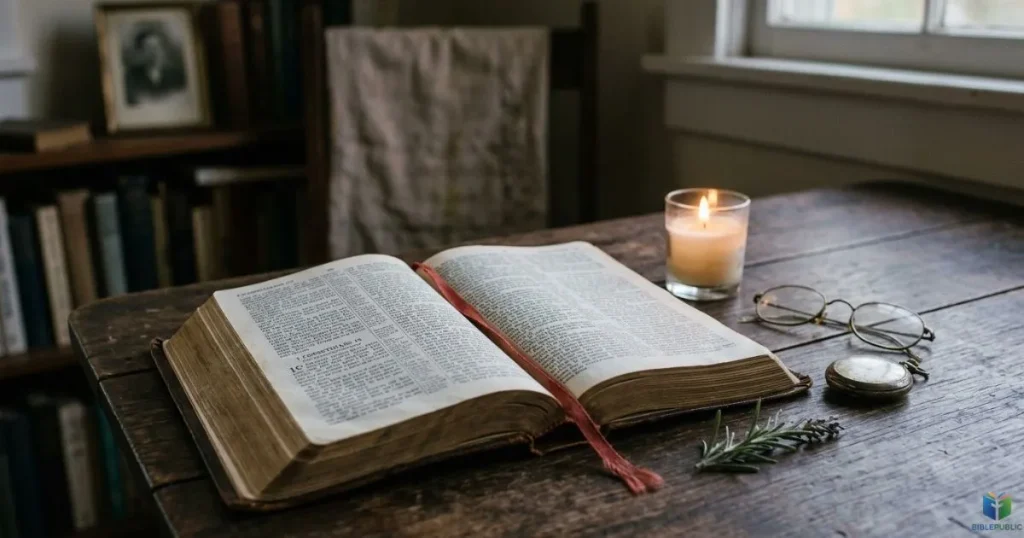
The Bible addresses death, grief, resurrection, judgment, and hope, but it does not command Christians to observe All Souls’ Day on November 2. The observance developed through church history. To understand its relationship with Scripture, Christians should distinguish what biblical passages explicitly teach from later church traditions concerning the departed.
Several passages offer guidance for those reflecting on death and remembering loved ones:
- John 11:25–26: Jesus declares Himself to be “the resurrection, and the life” (KJV). In the account of Lazarus, this points to Jesus’ authority over death and the hope of life through Him.
- 1 Thessalonians 4:13–18: Paul comforts grieving believers by teaching about Christ’s return and the resurrection of the dead in Christ. The passage emphasizes Christian hope amid grief.
- Romans 14:8–9: Paul teaches that believers belong to the Lord whether they live or die. The passage emphasizes Christ’s lordship over life and death.
- Ecclesiastes 3:1–2: The writer describes the seasons of human life, including a time to be born and a time to die. These verses encourage reflection on mortality but do not prescribe a memorial observance.
- Psalm 23:4: David expresses trust in God while walking through “the valley of the shadow of death” (KJV). The psalm offers comfort through the assurance of God’s presence during danger and distress.
Does the Bible Teach Christians to Pray for the Dead?
Christians differ on this question because they interpret Scripture and the biblical canon differently. The New Testament does not explicitly command Christians to observe an annual day of prayer for the dead. One important passage in this discussion is 2 Maccabees 12:38–46, which describes an offering made in connection with fallen Jewish soldiers and presents the action in the context of belief in the resurrection and prayer for the dead.
Roman Catholics and Eastern Orthodox Christians include 2 Maccabees in their scriptural traditions, although their teachings about the afterlife differ. Most Protestant traditions do not consider 2 Maccabees canonical Scripture and therefore do not regard it as an authoritative basis for Christian doctrine. This difference helps explain why Christians reach different conclusions about prayer for the departed.
Other passages, including Hebrews 9:27 and 2 Corinthians 5:6–8, are also discussed in debates about death and the afterlife. Hebrews emphasizes death followed by judgment, while Paul expresses confidence in being with the Lord beyond bodily life. Christians interpret these passages within their broader theological frameworks and do not all draw the same conclusions about prayer for the dead.
Ultimately, Scripture provides a foundation for trusting God, comforting those who grieve, living faithfully, and looking toward resurrection and final judgment. Christians can reflect on deceased loved ones through these biblical themes while acknowledging that All Souls’ Day is a historical church observance and that Christian traditions differ on the religious practices associated with it.
Conclusion
All Souls’ Day offers Christians a time to remember loved ones who have died and reflect on the meaning of death, faith, and eternal hope. Although traditions differ among Christian communities, the day highlights the importance of remembrance and the comfort people find in their beliefs. Understanding its history and biblical context helps readers appreciate its significance.
You can use this day to remember someone you love, share meaningful memories with family, or read Bible passages about resurrection and hope. John 11:25 offers a reminder of Jesus’ promise of life. Whatever your Christian tradition, let remembrance encourage compassion, strengthen your faith, and bring comfort as you reflect on those who have passed away.
Related Christian Resources for Remembrance and Hope
Understanding All Souls’ Day involves reflecting on Christian beliefs about death, remembrance, and the hope of resurrection. Exploring related resources can help you learn more about how Christians honor the faithful departed and how prayer fits into different traditions. These insights offer a deeper understanding of the spiritual meaning of remembrance while keeping Scripture and Christian beliefs in context.
30 Powerful Catholic Prayers for the Dead with Bible Verses
Frequently Asked Questions
What does All Souls’ Day mean in Christian tradition?
All Souls’ Day is a Christian observance that remembers people who have died. In the Roman Catholic Church, it is especially associated with prayer for the faithful departed.
When is All Souls’ Day observed in the Western Christian calendar?
All Souls’ Day is observed on November 2 in the Western Christian calendar. Some local churches may adapt services or commemorations according to their own calendars and practices.
How does All Souls’ Day differ from All Saints’ Day?
All Saints’ Day, observed on November 1, honors the saints, while All Souls’ Day focuses on remembering the faithful departed. Both observances are especially important in Catholic tradition.
Does the Bible command Christians to celebrate All Souls’ Day?
The Bible does not command an All Souls’ Day observance. Some Catholics cite 2 Maccabees 12:38–46 about prayer for the dead; many Protestant Bibles do not include this book.
What biblical passage offers hope when remembering loved ones who have died?
John 11:25 records Jesus saying, “I am the resurrection, and the life.” In context, Jesus speaks to Martha before raising Lazarus, pointing to his authority over death.
Why do Catholics pray for the dead on All Souls’ Day?
Catholics pray for the dead because Catholic teaching holds that prayer can benefit souls undergoing purification before entering heaven. Many Protestant Christians reject the doctrine of purgatory.

Chris Saadil is the founder of BiblePublic.com, where he shares biblical insights to help readers understand God’s Word and grow in faith. His mission is to make Scripture clear, practical, and encouraging through Bible verses, biblical teachings, prayer, and Christian living, helping believers build a deeper relationship with God every day.


1 thought on “All Souls’ Day: Meaning, History, and Christian Traditions”