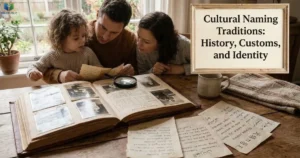
Cultural Naming Traditions show how names connect people to their families, history, and communities. From family names passed down through generations to customs shaped by language and religion, naming practices can carry deep personal meaning. Learning about these traditions helps you understand why names differ across cultures and what they may represent.
In this guide, you will explore naming customs around the world, discover how names reflect cultural identity, and learn why traditions change over time. You will also find practical ways to research a name and honor your family heritage when choosing a name that feels meaningful to you.
What Are Cultural Naming Traditions?
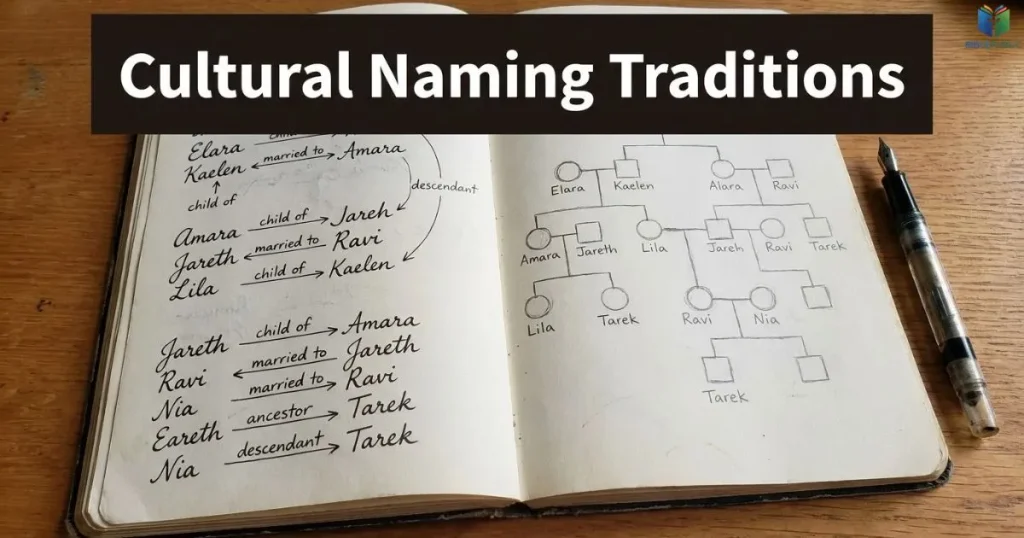
Cultural naming traditions are the customs, beliefs, and practices that influence how people receive, choose, and use names. These traditions can vary between countries, communities, religions, and families. Some emphasize family relationships or ancestry, while others reflect ceremonial practices, language, or community expectations.
A naming tradition may influence the order of given names and family names, the use of names passed down through generations, or the way a name is selected for a particular occasion. Some communities also have customs concerning name changes, honor names, or the significance attached to a child’s name.
Exploring cultural naming traditions helps explain why names can carry meaning beyond their everyday use. A name may connect someone with relatives, a cultural community, a religious tradition, or a language spoken by earlier generations. The Name Meanings category helps readers explore these connections alongside the origins and symbolism behind personal names.
How Culture Shapes Naming Practices
Culture can influence which names families consider appropriate, meaningful, or familiar. Language, family relationships, religious beliefs, regional history, and social customs may all contribute to naming decisions. These influences differ widely, so a practice that is common in one community may be unfamiliar or have a different purpose in another.
Family traditions can encourage parents to honor relatives, preserve a family surname, or continue a naming pattern used by earlier generations. Religious traditions may influence the names parents consider, while regional languages can shape pronunciation, spelling, and the forms of names used in daily life.
Cultural influences are not fixed rules that every family follows. People may maintain longstanding traditions, adapt them to new circumstances, or combine influences from more than one background. Understanding this diversity makes it easier to research a name without assuming that everyone who shares it has the same cultural identity or beliefs.
Naming Traditions Around the World
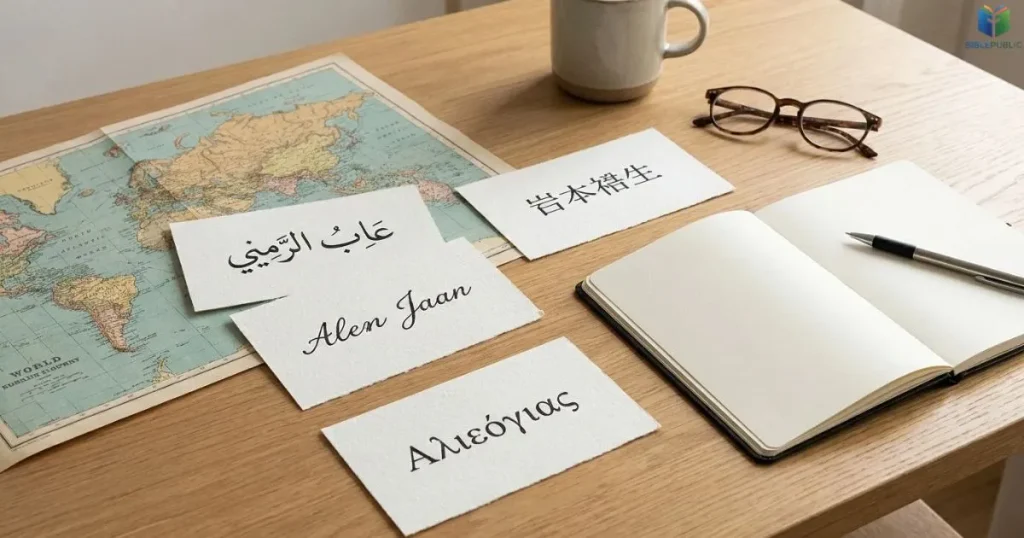
Naming traditions vary across regions and communities, reflecting differences in language, family structure, religion, history, and local customs. Some cultures commonly use family names to indicate family connections, while others place particular emphasis on given names, additional names, or naming ceremonies. Practices can also differ within the same country or language group.
Learning about these differences offers a broader perspective on how names are formed and used. It also helps readers distinguish a name’s linguistic origin from the cultural traditions associated with it. A name may travel between communities, acquire different pronunciations, or become popular among people whose backgrounds differ from those of its earliest users. Exploring the history and cultural origins of baby names can provide further context for understanding these patterns.
The following aspects of naming traditions provide useful starting points for understanding how families and communities approach names.
Family Names, Ancestry, and Naming Patterns
Family names and naming patterns can preserve connections to relatives, ancestry, and family history. In some families, children receive a surname that is passed down through generations. Other traditions may incorporate names from both parents, use additional family names, or follow naming patterns shaped by local customs and legal systems.
Given names may also honor grandparents, other relatives, or respected family members. Repeating a name within a family can create a sense of continuity, although families differ in how they select and pass on names. Some prefer established naming patterns, while others choose names that reflect their own preferences or a combination of cultural influences.
When researching a name connected with ancestry, consider its spelling, pronunciation, family history, and linguistic background. A shared surname can offer clues about family connections, but it does not establish a person’s complete ancestry or cultural identity on its own.
Religious and Ceremonial Naming
Religious beliefs and ceremonial practices can influence how names are selected, given, and understood. Some families choose names associated with sacred texts, religious figures, or spiritual values. Naming ceremonies may also mark a child’s welcome into a family or community, depending on the traditions involved.
In Jewish and Christian contexts, biblical names may carry significance because of their connections with Scripture, historical figures, or religious teachings. For example, Matthew 1:21 connects Jesus’ name with his mission to save his people from their sins. However, the meaning and importance assigned to a name can vary between families and traditions.
Readers interested in names connected with Scripture can explore the Biblical Names Meanings category. For resources focused specifically on Christian naming choices, the Christian Baby Name Meanings category offers a more focused starting point.
Regional Naming Customs and Community Practices
Regional naming customs can reflect local languages, historical influences, community relationships, and established social practices. The way names are ordered, pronounced, written, or used in formal settings may differ between regions, even when people share a broader cultural or linguistic background.
Some communities use naming conventions that communicate family relationships, while others have customs concerning honor names, titles, or the use of multiple given names. Local traditions may also influence which names are familiar or commonly chosen.
It is important to approach these practices with attention to their specific context. Customs can vary within a region, and not every individual follows the same conventions. Reliable sources that explain the relevant language and community can help readers understand a naming practice without treating a diverse population as though it had a single uniform tradition.
Modern Naming Practices
Modern naming practices often combine family customs with changing preferences, greater cultural exchange, and individual choice. Parents may choose a name from their own heritage, select one from another language, or adapt a traditional name to suit their family’s preferences.
Access to international media and online naming resources can also introduce parents to names they might not otherwise encounter. Some families prefer familiar names with established histories, while others seek distinctive spellings or combinations of names. These choices can reflect personal taste, cultural connections, or a desire to honor more than one family background.
Modern choices do not necessarily replace traditional practices. Families may preserve important customs while adjusting how they apply them. Researching a name’s origin, pronunciation, and cultural context can help parents understand its background before deciding whether it fits their preferences.
How Names Reflect Cultural Identity
Names can be meaningful expressions of cultural identity because they may connect people with a language, family, community, or inherited tradition. A name can preserve a form used by earlier generations, reflect a family’s religious background, or maintain a connection with a place or culture that remains important to them.
Pronunciation and spelling can also contribute to this connection. Some families prefer a traditional spelling or pronunciation, while others use a form adapted to the language spoken in their current community. These decisions may reflect practical considerations, personal preferences, or a desire to preserve a cultural connection.
However, a name alone cannot fully explain a person’s identity. People may share names despite having different backgrounds, and individuals can have connections to multiple cultures. Understanding a name’s history is therefore a useful way to explore cultural identity, not a definitive way to determine someone’s heritage, beliefs, or experiences.
How Naming Traditions Change Across Generations
Naming traditions can change as families move between regions, languages evolve, and communities encounter new cultural influences. A name may develop different spellings or pronunciations, while a traditional naming pattern may be adapted to fit the circumstances of a later generation.
Families may also reconsider which customs they want to continue. Some preserve names associated with grandparents or earlier ancestors, while others select new names that reflect contemporary preferences. In families with multiple cultural backgrounds, naming choices may combine elements from different traditions.
These changes do not necessarily mean that a tradition has been lost. A family might preserve the purpose of an older custom while changing the way it is practiced. Examining names across generations can reveal how family history, language, and personal choices interact over time.
When researching an older family name, compare its documented forms and pronunciations where reliable records are available. Remember that spelling changes, incomplete records, and differences between languages can make some naming histories difficult to establish with certainty.
Choosing a Name While Honoring Cultural Heritage
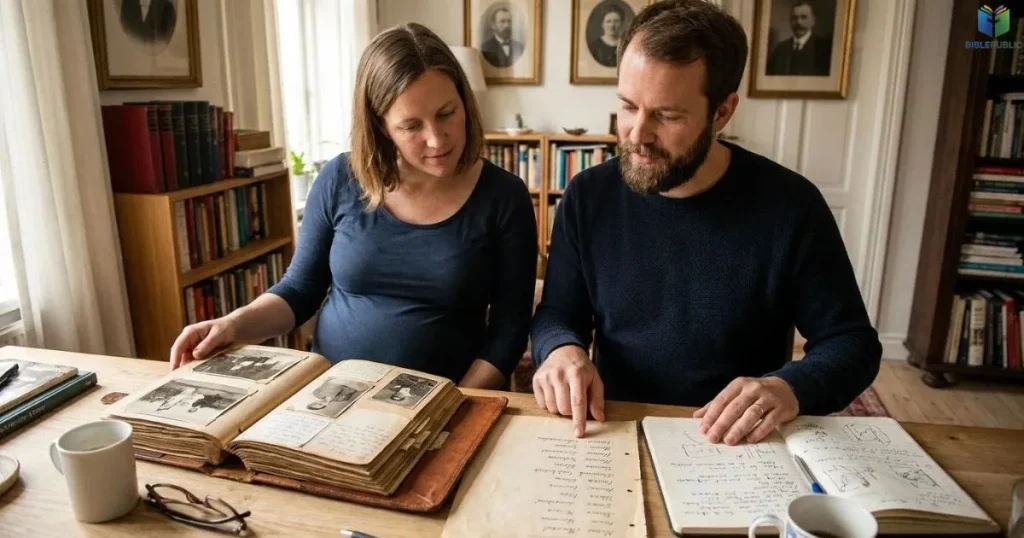
Choosing a name while honoring cultural heritage begins with understanding the traditions and connections that make it meaningful to your family. You may wish to honor a relative, preserve an ancestral language, continue a naming custom, or choose a name associated with a cultural or religious tradition.
Start by researching the name’s linguistic origin, established meaning, pronunciation, and historical use. If the name comes from a language or community you are less familiar with, consult reliable resources that explain its cultural context. Similar-looking names do not always share the same origin, and popular explanations may not accurately represent a name’s history.
It can also help to discuss naming preferences with relatives when family traditions are important to your decision. They may offer context about a name’s pronunciation, family associations, or use across generations. At the same time, remember that family members may have different perspectives on which traditions to preserve.
If faith is an important part of your family’s heritage, you may also want to explore names connected with biblical history or Christian traditions. The Biblical Names Meanings and Christian Baby Name Meanings categories provide more focused resources for researching those options.
Ultimately, honoring cultural heritage does not require following every tradition exactly. A thoughtful choice considers the name’s history, its significance to your family, and how comfortably it fits the life you want your child to lead. Learning about cultural naming traditions can help you make that decision with greater understanding and respect for the background behind the name.
Conclusion
Cultural Naming Traditions show how names connect people with family history, language, beliefs, and community. Understanding these customs helps you see why names carry different meanings across cultures and generations. A name can honor loved ones, preserve heritage, or reflect values that families want to pass on to future generations.
Before choosing a name, take time to explore its origin, pronunciation, cultural background, and established meaning. Talk with family members about traditions that matter to you, and use reliable sources to check details. This thoughtful approach can help you choose a name that respects your heritage and feels meaningful to your family.
Frequently Asked Question
What are cultural naming traditions, and why do they matter?
Cultural naming traditions are customs that shape how people choose and use names. They can preserve family history, express cultural identity, and connect generations through shared practices.
How does culture influence the names parents choose for their children?
Culture influences name choices through language, family customs, religious beliefs, and community values. Parents may select names to honor relatives, preserve heritage, or express meaningful personal connections.
Do cultural naming traditions differ between countries and communities?
Yes, naming traditions vary across countries, regions, and communities. Differences may include surname order, naming ceremonies, family naming patterns, and the significance attached to particular names.
Can I choose a name from another culture respectfully?
Yes, researching a name’s origin, pronunciation, and cultural significance can help you make an informed choice. Consult reliable sources and avoid assuming everyone in a community shares identical views.
What does the Bible say about names and their significance?
The Bible sometimes connects names with a person’s story or purpose. In Matthew 1:21, the angel tells Joseph to name Jesus because he will save his people from their sins.
Do families have to follow cultural naming traditions exactly?
No, families can preserve, adapt, or combine naming traditions. Learning about their history and discussing family preferences can help parents choose thoughtfully while respecting their heritage and important relationships.

Chris Saadil is the founder of BiblePublic.com, where he shares biblical insights to help readers understand God’s Word and grow in faith. His mission is to make Scripture clear, practical, and encouraging through Bible verses, biblical teachings, prayer, and Christian living, helping believers build a deeper relationship with God every day.